Surface Mount Technology: Revolutionizing Electronics
Category : |
Sub Category : Posted on 2023-10-30 21:24:53
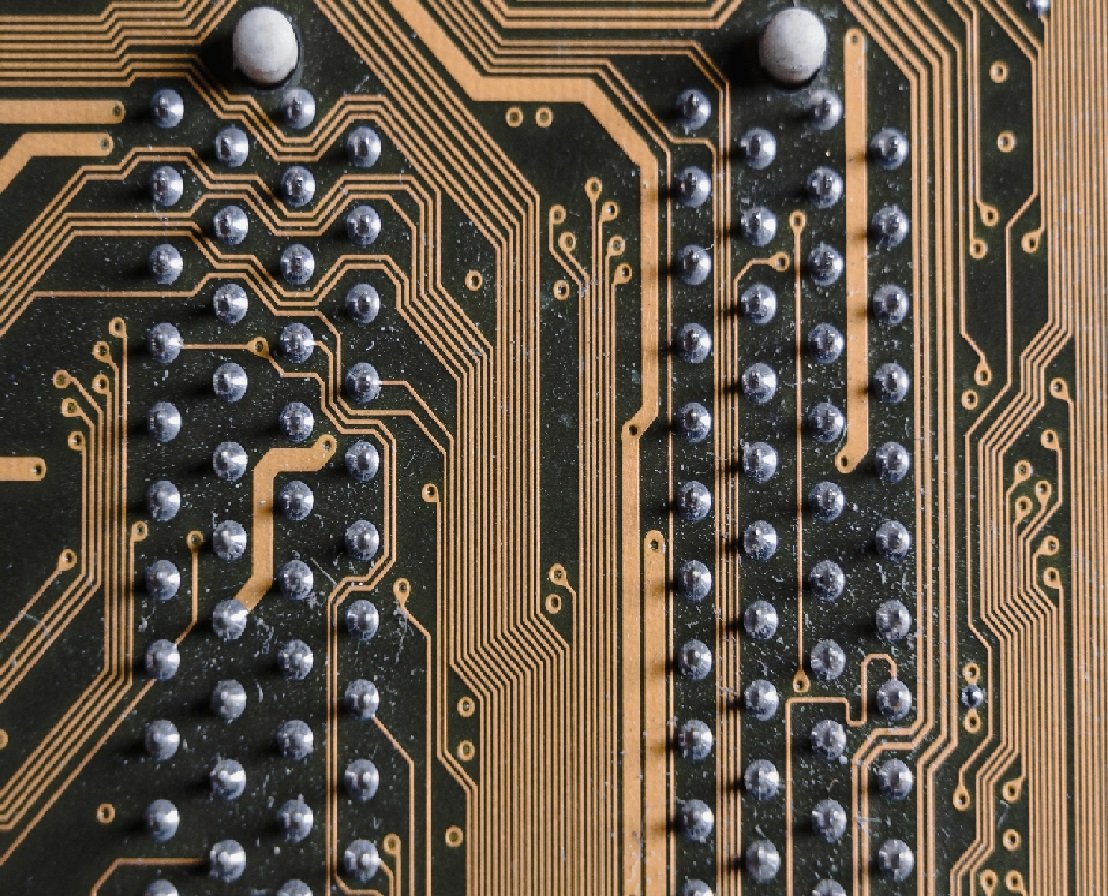
Introduction: In the world of electronics, advancements are made at a rapid pace, leading to smaller, faster, and more efficient devices. One such innovation that has revolutionized the industry is Surface Mount Technology (SMT). This technology has not only changed the manufacturing process but has also made a significant impact on the performance and functionality of electronic products. In this blog post, we will explore the fascinating world of surface mount technology and its influence on modern electronics. What is Surface Mount Technology? Surface Mount Technology, commonly known as SMT, refers to a method of assembling electronic circuits in which the components are mounted directly onto the surface of the printed circuit board (PCB). Unlike the traditional through-hole technology, which requires the components to be inserted into drilled holes on the board, SMT components are smaller and lighter, making them easy to solder onto the PCB. Advantages of SMT: 1. Miniaturization: One of the key benefits of SMT is its ability to accommodate smaller and lighter components. As a result, electronic products have become more compact and portable, without compromising on performance. 2. Higher Component Density: SMT enables higher component density on PCBs compared to through-hole technology. This allows for more features and functionalities in a limited space, making electronic devices more powerful and versatile. 3. Increased Speed and Efficiency: Surface mount components lead to shorter electrical paths, minimizing signal distortion and optimizing the electronic system's overall speed and efficiency. This makes SMT-based products ideal for high-speed and high-performance applications. 4. Cost-Effectiveness: SMT eliminates the need for drilling holes in PCBs, reducing manufacturing costs. Additionally, the automated assembly process of SMT reduces labor costs and enhances production efficiency, making it a cost-effective choice for large-scale manufacturing. Applications of SMT: Surface Mount Technology finds applications in various industries, including consumer electronics, telecommunications, automotive, medical devices, and aerospace. From smartphones and tablets to advanced medical equipment and automotive sensors, SMT has become an indispensable part of modern electronics. Challenges and Future Trends: While SMT has drastically improved the electronic manufacturing process, it presents its own set of challenges. The small size of SMT components makes it difficult to manually solder them, requiring specialized equipment such as reflow ovens and pick-and-place machines. However, the industry is continuously innovating to address these challenges and develop more efficient and reliable assembly techniques. Looking ahead, the future of surface mount technology is bright. As the demand for smaller, faster, and more technologically advanced electronic products continues to rise, SMT will play a crucial role. The ongoing miniaturization of components, improved manufacturing techniques, and the emergence of new materials are expected to further enhance SMT capabilities and inspire new possibilities in electronic design. Conclusion: Surface Mount Technology has transformed the electronics industry, enabling the development of smaller, more powerful, and cost-effective electronic devices. With its advantages in miniaturization, higher component density, speed, and efficiency, SMT has become the go-to technology for manufacturing electronic products. As we move towards a more connected and digital future, the role of surface mount technology will only continue to expand, shaping the way we live and interact with technology. To get more information check: http://www.wootalyzer.com


