Electronics Components for PCB: A Comprehensive Guide for Engineering and STEM Enthusiasts
Category : |
Sub Category : Posted on 2023-10-30 21:24:53
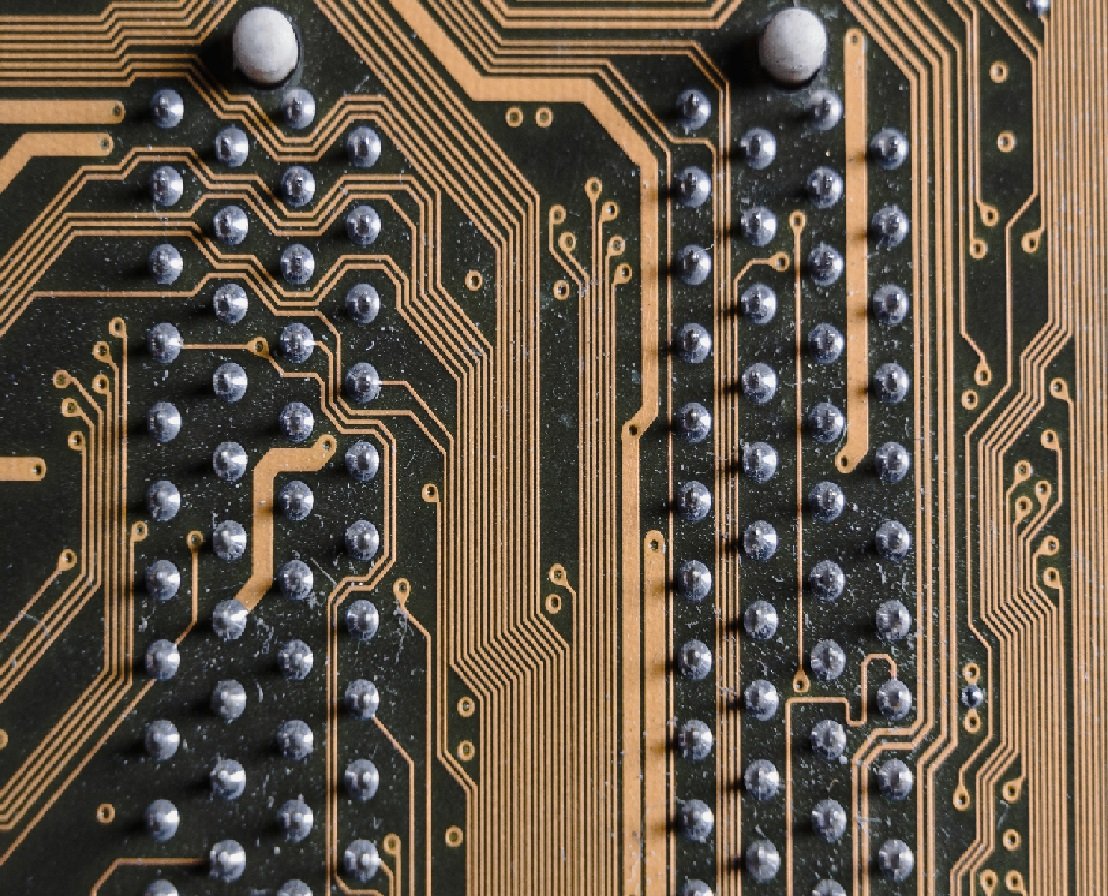
Introduction: Creating a Printed Circuit Board (PCB) is a crucial step in the field of electronic engineering. PCBs serve as the foundation for various electronic devices and systems, providing the necessary framework for the integration of different electronics components. In this blog post, we will delve into the world of electronics components for PCB, exploring their functions, types, and significance in the realm of engineering and STEM. 1. Resistors: Resistors are the fundamental passive components used to restrict the flow of current in a circuit. They are vital for controlling voltage levels, reducing current flow, and offering stability to the circuit. By varying the resistance value, engineers can optimize the functionality of different electronic systems, whether it's a microcontroller, a power supply, or a filter circuit. 2. Capacitors: Capacitors store and release electrical energy in a circuit, providing stability, filtering, and noise reduction. They play a crucial role in power supply decoupling, smoothing voltage levels, and maintaining stability in electronic systems. Capacitors, categorized based on their capacitance values and materials, come in various types such as ceramic, electrolytic, and tantalum. Understanding their characteristics and selecting the appropriate type and value are essential for achieving optimal circuit performance. 3. Diodes: Diodes allow the flow of current in one direction while blocking it in the opposite direction. They are commonly used in rectification circuits, voltage regulation, and signal isolation. Diodes play a vital role in converting alternating current (AC) to direct current (DC), protecting circuits from reverse current flow and voltage spikes. Popular types of diodes include schottky diodes, zener diodes, LED diodes, and rectifier diodes. 4. Transistors: Transistors are essential active components in electronics, acting as amplifiers, switches, and voltage regulators. They control the flow of current in a circuit based on their base-emitter voltage or gate voltage. Transistors, categorized as NPN, PNP, MOSFET, and JFET, are crucial in the design of power amplifiers, oscillators, digital logic circuits, and microcontrollers. 5. Integrated Circuits (ICs): Integrated Circuits, popularly known as ICs or chips, are miniaturized electronic circuits consisting of multiple components on a single silicon wafer. ICs have revolutionized the world of electronics by offering increased functionality, improved performance, and compact designs. They encompass various categories like microcontrollers, microprocessors, memory chips, and specialized chips for specific applications. Conclusion: Understanding electronics components is essential for anyone involved in engineering and STEM fields. Successfully integrating the right components on a PCB is crucial for designing efficient and reliable electronic devices. In this blog post, we've covered some of the essential components, such as resistors, capacitors, diodes, transistors, and integrated circuits, which play a vital role in the functionality of any PCB. Mastering these components will allow engineers and enthusiasts to unleash their creativity and push the boundaries of technological innovation.


