The Power of Electronics: Engineering STEM in Power Electronics
Category : |
Sub Category : Posted on 2023-10-30 21:24:53
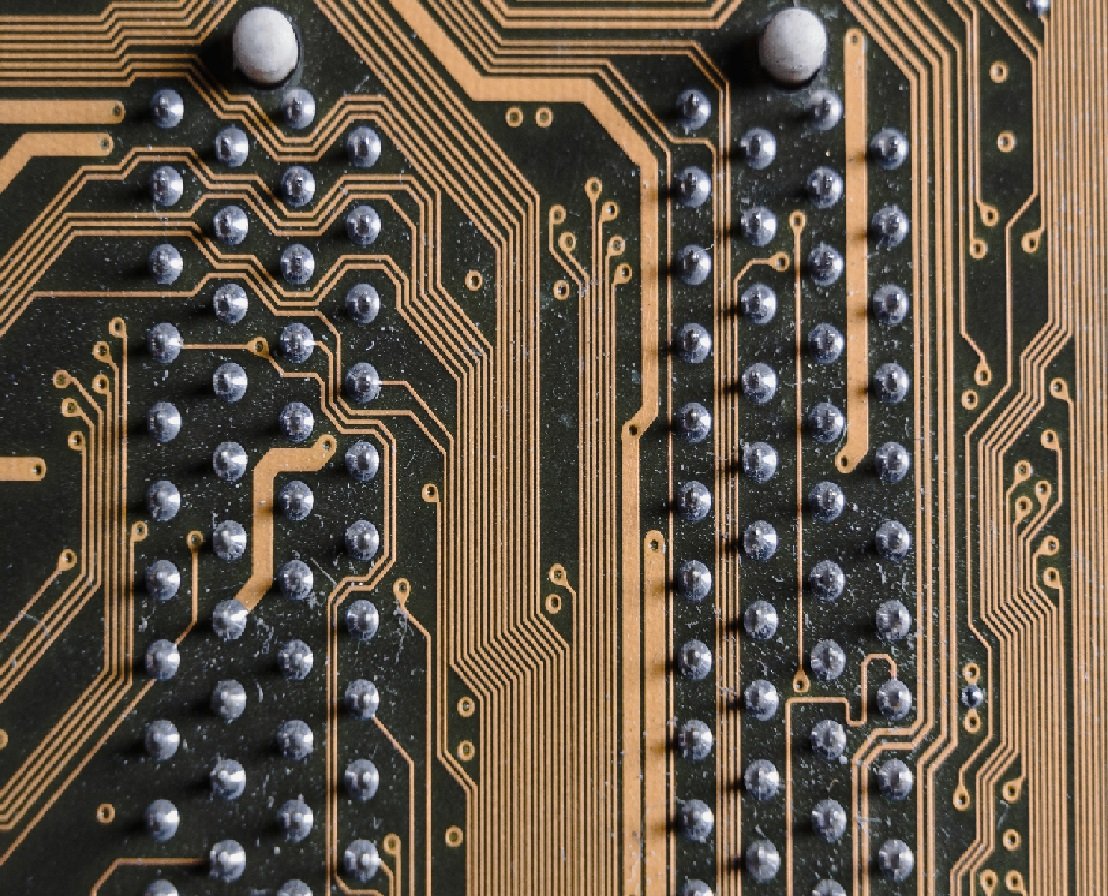
Introduction: In today's technologically driven world, the field of power electronics plays a crucial role in harnessing electrical power efficiently. As an interdisciplinary branch of engineering, power electronics merges the fields of electrical engineering, control systems, and semiconductor devices. This combination allows for the design and development of systems that efficiently convert and control electrical power. In this blog post, we will explore the significance of power electronics within engineering STEM and its impact on various industries. The Basics of Power Electronics: Power electronics deals with the conversion, transmission, and control of electrical power using electronic devices and circuits. The primary goal is to efficiently manage electrical power to meet varying demands and optimize energy usage. Key components used in power electronics include diodes, transistors, thyristors, and capacitors, among others. These devices play a crucial role in controlling voltage, current, and frequency in power systems. Applications in Renewable Energy: Renewable energy sources like solar and wind power are gaining prominence as alternatives to fossil fuel-based energy generation. Power electronics serves a vital role in integrating and optimizing renewable energy sources into the existing power grid. Power electronic converters facilitate the efficient conversion of variable energy sources into usable electrical power, ensuring seamless integration and optimal utilization of these renewable resources. In Electric Vehicles: The rise of electric vehicles (EVs) has revolutionized the automotive industry. Power electronics is at the heart of EV technology, enabling efficient motor drives, battery charging, and energy regeneration. Power electronic converters in EVs are responsible for controlling the flow of power between the battery and motor, optimizing energy transfer and enhancing vehicle performance. As advancements in power electronics continue, the range and efficiency of electric vehicles will only improve further. Industrial Applications: Power electronics finds extensive use across a wide range of industrial applications. In industries such as manufacturing, power electronics drives the operation of electric motors, offering precise speed and torque control for enhanced productivity. Additionally, power electronics plays a significant role in energy-efficient lighting systems, adjustable-speed drives, and advanced robotics. Its application in these areas contributes to reduced energy consumption, improved operational efficiency, and cost savings for industries. Challenges and Future Developments: While power electronics has made remarkable advancements over the years, there are still challenges that the field faces. Some of these challenges include heat management and reliability issues in high-power systems and the need for more compact, lightweight, and cost-effective devices. However, ongoing research and development in power electronics are continuously addressing these challenges. The future of power electronics holds immense potential. Advancements in wide-bandgap semiconductor materials like silicon carbide (SiC) and gallium nitride (GaN) are poised to revolutionize the field, enabling higher efficiency, higher power density, and lower system costs. Additionally, the integration of power electronics with emerging technologies like artificial intelligence (AI) and the Internet of Things (IoT) will further enhance the capabilities and applications of power electronic systems. Conclusion: Power electronics not only serves as the backbone of various industries but also plays a pivotal role in transitioning towards a sustainable and energy-efficient future. As power demands continue to rise, the importance of efficient utilization of electrical power becomes increasingly significant. With ongoing advancements and the integration of emerging technologies, power electronics will continue to shape the future, enabling a world powered by clean, sustainable, and efficient electrical systems.


