The Importance of Signal Integrity in Engineering and STEM Fields
Category : |
Sub Category : Posted on 2023-10-30 21:24:53
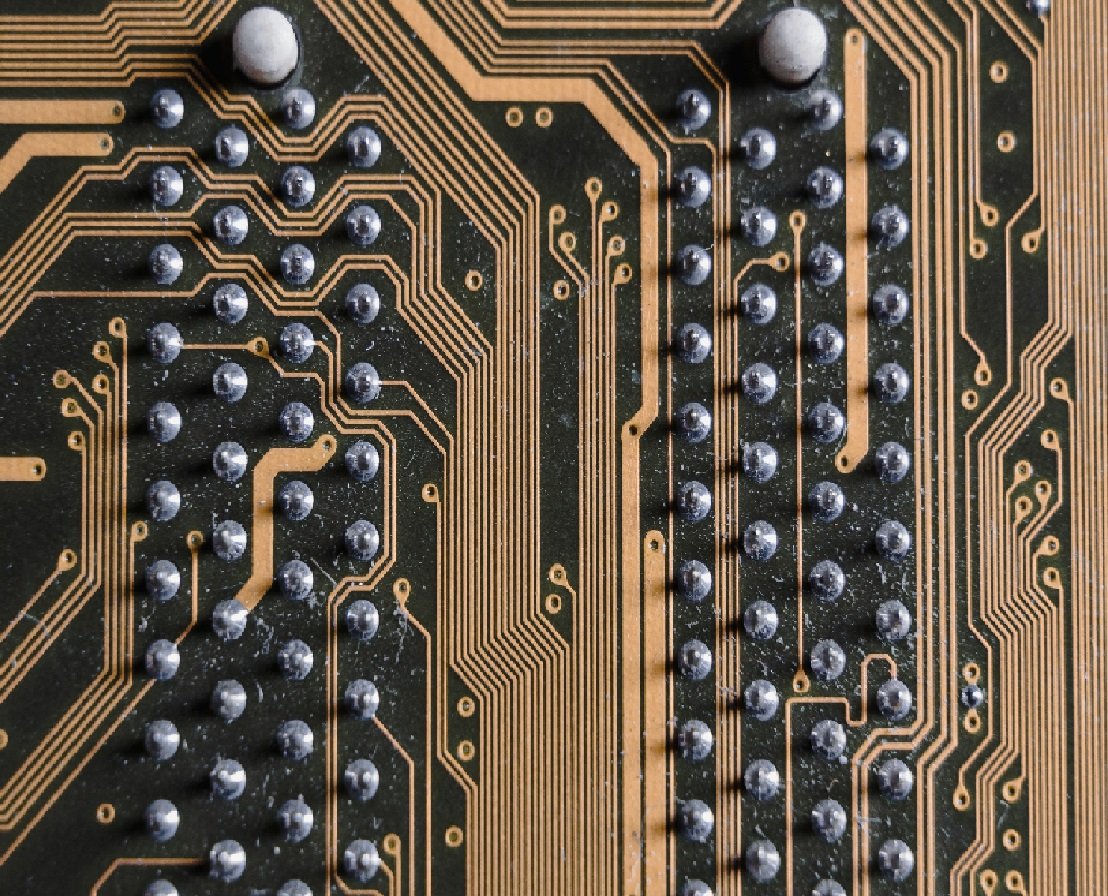
Introduction: Signal integrity is a critical aspect of engineering and STEM (Science, Technology, Engineering, and Mathematics) fields that ensures the reliable transmission of data and information within electronic systems. As technology continues to advance at an incredible pace, engineers and professionals in these domains must prioritize signal integrity to meet the increasing demands for high-speed and high-performance electronic devices and systems. In this blog post, we will explore the concept of signal integrity, its significance, challenges, and best practices in the engineering and STEM sectors. Understanding Signal Integrity: In engineering and STEM fields, signal integrity refers to the ability of an electrical signal to retain its quality and integrity from the transmitter to the receiver. It encompasses various parameters, including signal strength, timing, noise, jitter, and distortion. Ensuring proper signal integrity is crucial to prevent data corruption, maintain system performance, and ensure accurate and reliable operation of electronic devices. Importance of Signal Integrity: Signal integrity is of paramount importance in engineering and STEM fields for several reasons: 1. Data Integrity: In applications where precision and accuracy are vital, such as telecommunications, medical devices, and aerospace systems, maintaining signal integrity is critical to prevent data loss or corruption. Small changes in signal quality can have significant consequences, leading to errors, malfunctions, or even system failures. 2. High-Speed Communications: With the continuous development of high-speed digital communication systems, ensuring signal integrity becomes more challenging. Impedance matching, crosstalk reduction, and proper termination techniques are essential to mitigate signal degradation and achieve reliable communication at high data rates. 3. Design Optimization: Signal integrity plays a vital role in optimizing and improving electronic designs. By properly managing impedance control, minimizing reflections, and eliminating noise sources, engineers can enhance system performance, increase data throughput, and reduce power consumption. Challenges in Signal Integrity: While signal integrity is crucial, it poses numerous challenges for engineers and STEM professionals. Some common challenges include: 1. Electromagnetic Interference (EMI): EMI can disrupt signal transmission and compromise signal integrity. Proper grounding, shielding, and decoupling techniques are necessary to mitigate the effects of EMI. 2. PCB Layout and Routing: Optimal PCB layout and routing are crucial factors in preserving signal integrity. Careful consideration should be given to trace length matching, controlled impedance, and minimizing electromagnetic coupling between traces. 3. Crosstalk: Crosstalk occurs when signals from one trace interfere with adjacent traces. It can lead to signal distortion and timing errors. Techniques such as proper spacing, differential signaling, and signal isolation must be employed to reduce crosstalk effects. Best Practices for Signal Integrity: To overcome the challenges and ensure signal integrity, engineers and STEM professionals should follow these best practices: 1. Thorough Design Analysis: Perform simulations and analyses to understand the system's behavior and identify potential signal integrity issues at the design stage. 2. Careful PCB Design: Focus on proper PCB layout, routing, and stack-up techniques to minimize signal degradation. 3. Controlled Impedance: Ensure the trace impedances match the transmission line characteristics to prevent signal reflection and maintain signal integrity. 4. EMI Mitigation: Implement effective shielding, grounding, and isolation techniques to reduce electromagnetic interference. 5. Signal Integrity Testing: Conduct rigorous testing and verification of signal integrity throughout the development cycle to validate design choices and identify and resolve any issues. Conclusion: In the ever-advancing world of engineering and STEM fields, ensuring signal integrity is vital to meet the growing demand for high-performance electronic systems. By understanding the importance of signal integrity, recognizing the challenges, and following best practices, engineers and professionals can maximize system reliability, minimize errors, and innovate with confidence. Prioritizing signal integrity will continue to play a crucial role in driving future technological advancements in various industries.


