The Importance of Signal Integrity in Gaming Systems
Category : |
Sub Category : Posted on 2023-10-30 21:24:53
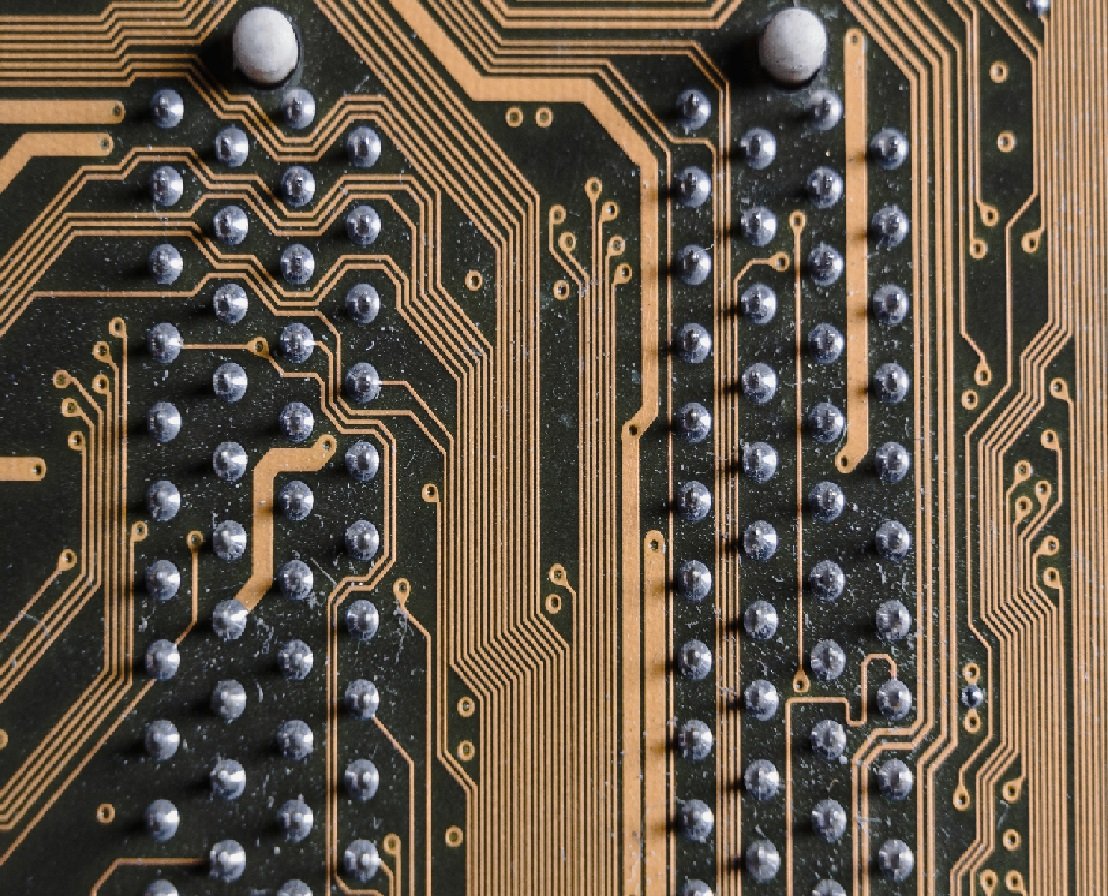
Introduction: In the rapidly evolving world of gaming, signal integrity plays a vital role in ensuring a seamless and immersive gaming experience. From consoles and PCs to controllers and peripherals, maintaining strong signal integrity is crucial for accurate and reliable data transmission. In this blog post, we will delve deeper into the concept of signal integrity and discuss its significance in the gaming industry. Understanding Signal Integrity: Signal integrity refers to the quality of a signal as it travels through a system without any undesirable effects. In gaming systems, this primarily involves the transmission of data between different components, such as processors, graphics cards, memory modules, and input devices like keyboards and controllers. The goal is to maintain signal integrity throughout the system, minimizing any disturbances or losses that could affect gameplay. The Impact of Signal Integrity on Gaming Performance: 1. Reduced Latency: In fast-paced games, even a small delay can significantly impact a player's performance. Strong signal integrity ensures minimal latency, allowing gamers to respond quickly to in-game events. 2. Enhanced Graphics: Signal integrity is crucial for delivering high-quality graphics in gaming. With proper signal integrity, graphics cards can transmit data accurately, resulting in sharp visuals, smooth animations, and vibrant colors. 3. Stable Network Connectivity: Online gaming heavily relies on network connectivity. Signal integrity in gaming systems prevents data loss, distortion, or interference, ensuring a stable connection and minimizing issues like lag or disconnections. Maintaining Signal Integrity in Gaming Systems: 1. PCB Design: Proper Printed Circuit Board (PCB) design is essential for optimal signal integrity. Using trace routing techniques, minimizing noise, and using appropriate materials can help preserve the quality of signals. 2. Signal Conditioning: Components such as buffers, repeaters, and equalizers can be used to amplify and condition signals, compensating for any losses or distortions that might occur during transmission. 3. Shielding and Grounding: Shielding sensitive components or cables and properly grounding them can help minimize electromagnetic interference (EMI) and signal reflections, preserving signal integrity. 4. Cable Management: Proper organization and management of cables within the gaming system can reduce crosstalk and ensure a clean and interference-free signal environment. The Future of Signal Integrity in Gaming: As gaming technology advances, the demand for higher data rates, faster processors, and more immersive experiences will continue to grow. This places an even greater emphasis on maintaining strong signal integrity. Emerging technologies like fiber optic cables, high-speed connectors, and advanced serialization techniques will likely play a vital role in delivering optimal signal quality in future gaming systems. Conclusion: Signal integrity is a critical aspect of gaming systems that directly impacts performance, graphics quality, and overall gameplay experience. By prioritizing proper PCB design, signal conditioning, shielding, and cable management, game developers and hardware manufacturers can ensure that gaming enthusiasts enjoy a seamless and immersive experience. As technology progresses, advancing signal integrity techniques will pave the way for even more groundbreaking gaming experiences in the future. Seeking in-depth analysis? The following is a must-read. http://www.sandboxg.com If you're interested in this topic, I suggest reading http://www.keralachessyoutubers.com


