Exploring the Essential Electronics Components for GPS Navigation Systems on PCBs
Category : |
Sub Category : Posted on 2023-10-30 21:24:53
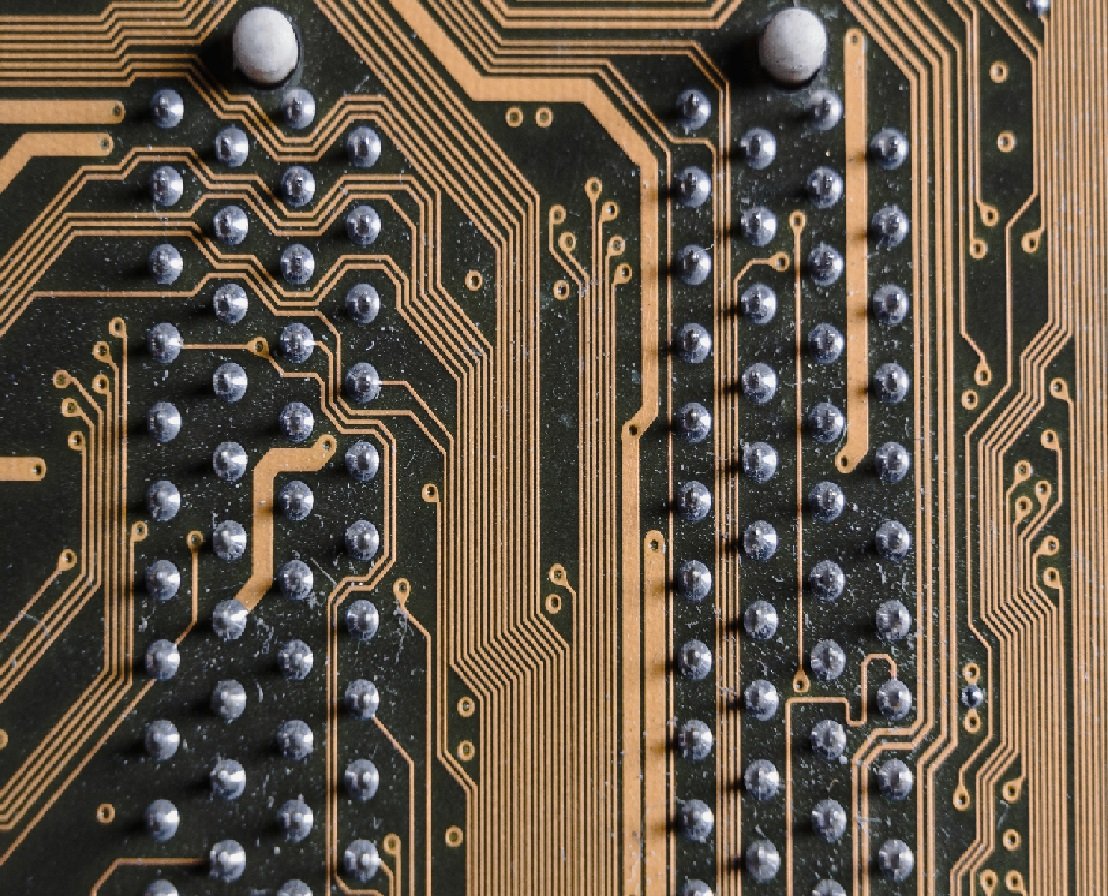
Introduction: GPS navigation systems have become an integral part of our daily lives, helping us navigate unknown terrains and reach our destinations with ease. Behind the seamless functionality of these devices lies a complex network of electronic components carefully integrated onto a printed circuit board (PCB). In this article, we will explore the essential electronics components that make GPS navigation systems work efficiently. 1. Global Positioning System (GPS) Receiver Module: At the heart of any GPS navigation system is the GPS receiver module. This module uses data received from multiple satellites to determine accurate positioning information. It receives signals from these satellites and calculates the user's location, speed, and altitude. The GPS receiver module typically integrates a specialized chip that performs complex calculations and filtering to extract position data. 2. Microcontroller Unit (MCU): The microcontroller unit plays a crucial role in managing the GPS navigation system's overall functionality. It acts as the brain of the system, processing user inputs, interpreting data from the GPS receiver module, and controlling the various components. The MCU integrates a central processing unit (CPU) and memory, allowing it to execute commands and store data. 3. Antenna: The antenna is responsible for capturing the GPS signals from satellites. It is an essential component that enables a reliable connection between the GPS receiver module and the satellites. Antennas for GPS navigation systems are typically designed to be compact and efficient, ensuring maximum signal reception even in areas with weak satellite coverage. 4. Power Supply Components: Efficient power supply is critical for the optimal performance of a GPS navigation system. The PCB must include components such as voltage regulators, capacitors, and resistors to ensure stable and clean power delivery to all the electronics components. These components help reduce noise, filter out unwanted signals, and protect the system against voltage fluctuations. 5. Memory: GPS navigation systems require memory to store maps, waypoints, and other essential data. Whether it's flash memory or external memory modules, these components provide the necessary storage capacity for storing user preferences, historical data, and available mapping information. 6. Display System: The display system is responsible for presenting navigation information to the user. It may include a combination of components such as LCDs, touch panels, and LED indicators. These components work together to provide intuitive and user-friendly visuals, enabling users to view maps, directions, and other crucial information while on the move. 7. Connectivity Options: Many GPS navigation systems offer additional connectivity options to enhance their functionality. These may include Bluetooth modules for hands-free calling, Wi-Fi or cellular modules for live traffic updates, and USB ports for data transfer and software updates. These components enable seamless integration with other devices and technologies, expanding the capabilities of the GPS navigation system. Conclusion: GPS navigation systems have revolutionized the way we navigate, making travel more efficient and convenient. Behind their sleek exteriors lie a complex web of electronic components integrated onto a PCB. From the GPS receiver module to the microcontroller unit, antennas, power supply components, memory, display system, and connectivity options, each component plays a vital role in ensuring accurate and reliable navigation. Understanding these essential electronics components will give you a deeper appreciation for the sophisticated technology we rely on for finding our way in the modern world.


