GPS Navigation System Electronics Failure Analysis: Common Causes and Solutions
Category : |
Sub Category : Posted on 2023-10-30 21:24:53
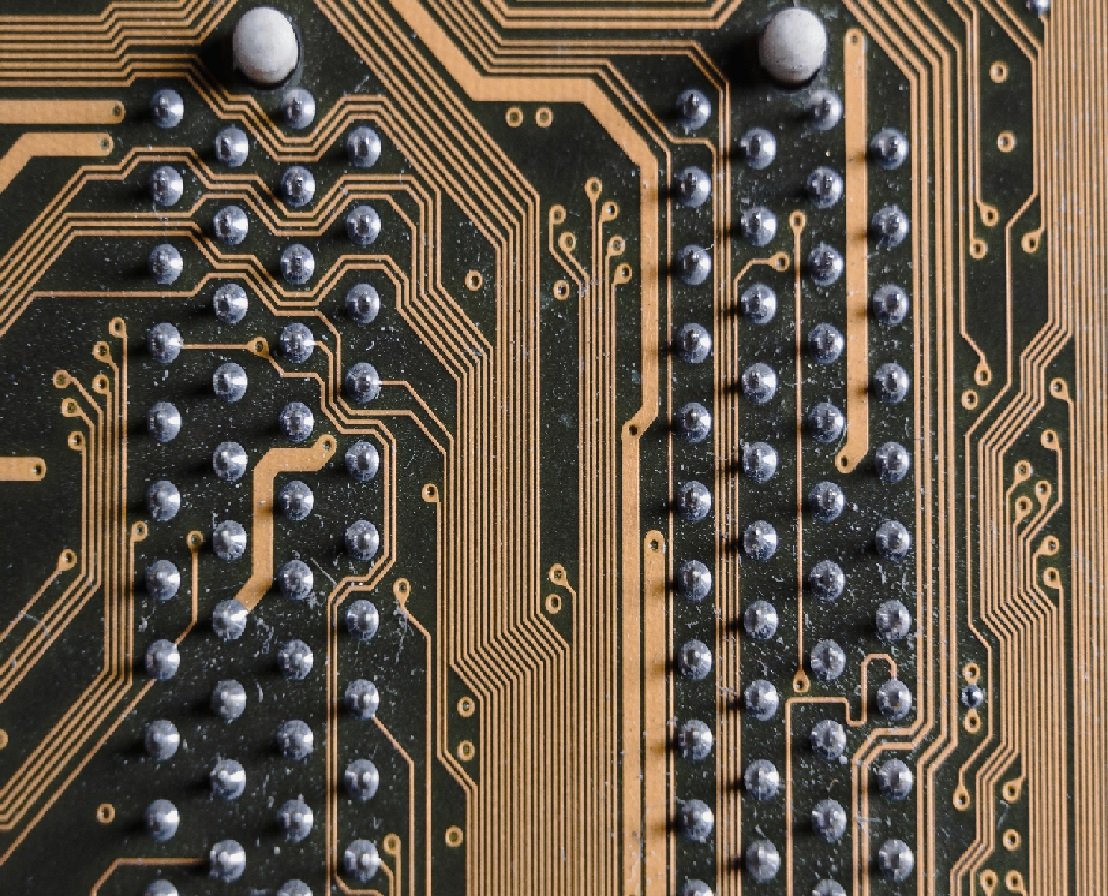
Introduction: GPS navigation systems have become an essential tool for drivers all over the world. These electronic devices rely on a combination of satellite signals, software algorithms, and hardware components to accurately guide users to their desired destinations. However, like any electronic device, GPS navigation systems can be susceptible to failures and malfunctions. In this blog post, we will explore some of the common causes of electronics failures in GPS navigation systems and provide potential solutions to address these issues. 1. Software Failures: One of the most common reasons for GPS navigation system failures is software issues. Software failures can occur due to outdated or corrupt map data, incompatible software updates, or programming errors. These failures can result in inaccurate or unreliable navigation instructions, freezing screens, or system crashes. To mitigate software failures, it is crucial to regularly update the device's software and map data. Additionally, performing a factory reset or reinstalling the software can help resolve any persistent software issues. 2. Hardware Malfunctions: GPS navigation systems consist of various components such as the GPS receiver, antenna, display screen, and control buttons. Any malfunction in these hardware components can lead to overall system failure. For example, a faulty GPS receiver can cause signal loss or inaccurate positioning, while a damaged display screen can render the device unusable. To address hardware malfunctions, it is essential to ensure proper care and maintenance of the device. Regular cleaning, avoiding exposure to extreme temperatures, and protecting the device from physical damage can help prevent hardware failures. 3. Power Issues: GPS navigation systems heavily rely on a continuous power supply to function correctly. Any disruption in the power source can lead to device failure. Common power-related issues include battery drain, loose connections, or faulty charging ports. To avoid power-related failures, it is recommended to use original charging cables and adapters, and regularly check for loose connections. Additionally, optimizing the device's power settings and investing in a reliable car charger can help extend the device's battery life. 4. Environmental Factors: GPS navigation systems can be affected by various environmental factors, causing electronics failures. Factors such as electromagnetic interference, extreme temperatures, or moisture can affect the device's performance. It is advisable to keep the device away from strong magnetic fields, excessive heat, or direct exposure to sunlight. Using a protective case or mount can shield the device from environmental elements and minimize the risk of failure. 5. System Updates: While updating GPS navigation system software is important, sometimes system updates can introduce new bugs or compatibility issues, leading to unexpected electronics failures. Before updating the device's software, it is recommended to research the update's compatibility and user reviews to identify any potential issues. Additionally, creating backups of essential data or restoring the device to a previous stable version can help mitigate the risks associated with faulty updates. Conclusion: GPS navigation systems have revolutionized the way we navigate and travel. However, like any electronic device, they are prone to failures and malfunctions. Understanding the common causes of electronics failures in GPS navigation systems and implementing the suggested solutions can help users minimize the risk of these issues. Remember, regular software updates, careful hardware maintenance, proper power management, and environmental protection are crucial for the long-term functionality of your GPS navigation system.


