Exploring the World of Guitar Analog and Digital Electronics
Category : |
Sub Category : Posted on 2023-10-30 21:24:53
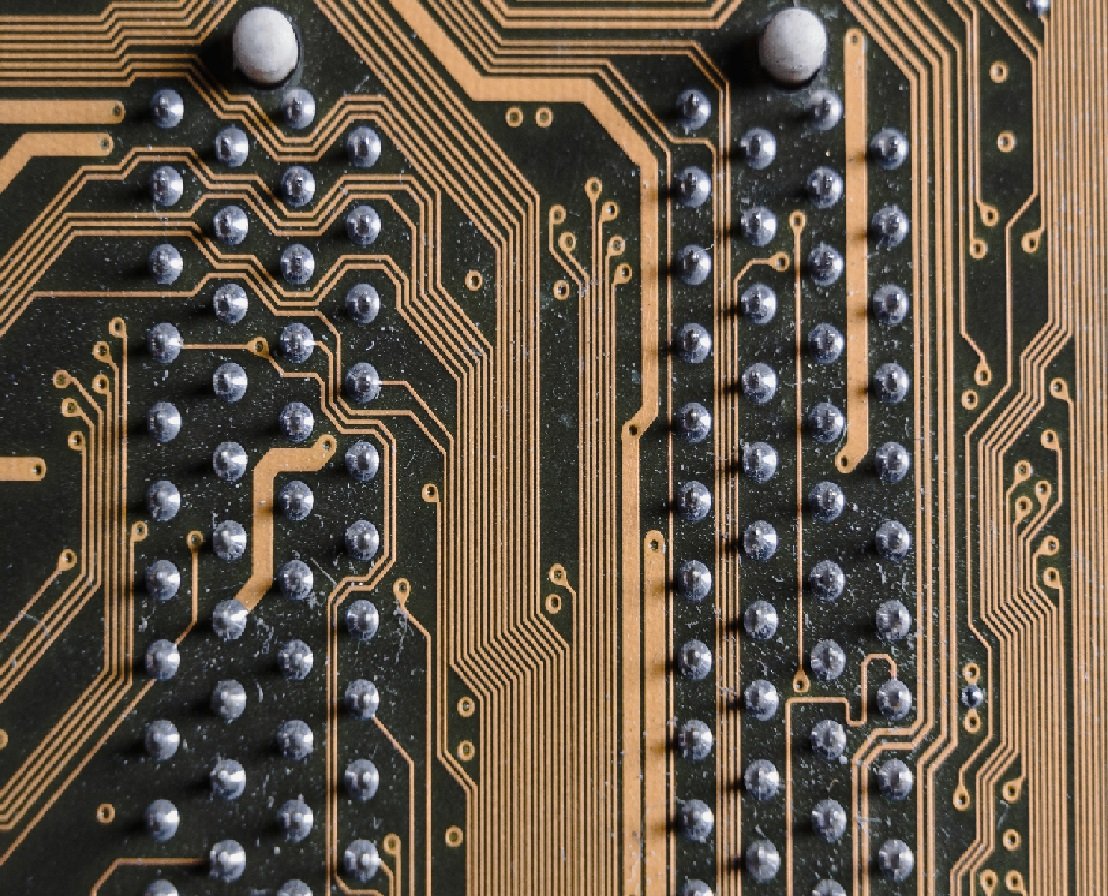
Introduction: In the world of guitar playing, there's a constant debate between analog and digital electronics. While some musicians swear by the warm and organic sound of analog gear, others embrace the convenience and versatility of digital technology. In this article, we'll be diving deep into the realm of guitar analog and digital electronics, exploring their characteristics, advantages, and the future of guitar technology. Analog Electronics: Analog electronics have been the backbone of guitar gear for decades. It involves the use of physical components and electrical signals to produce sound. Popular analog gear includes tube amplifiers, analog stompboxes, and vintage effect pedals. What sets analog electronics apart is their ability to produce a rich and warm tone with natural harmonic overtones. Many guitarists argue that analog gear adds depth and character to their playing, enhancing the overall musical experience. Advantages of Analog Electronics: 1. Tone: Analog gear is known for its rich and organic sound, providing a unique warmth and depth to the guitar's tone. Tube amplifiers, in particular, are coveted for their creamy overdrive and responsive dynamics. 2. Responsive Controls: Analog stompboxes and effect pedals offer intuitive and responsive controls, giving guitarists the ability to shape their tone in real-time. The physical knobs and switches allow for instant adjustments, resulting in a more immersive playing experience. 3. Vintage Appeal: Many guitarists are drawn to the nostalgic appeal of analog gear. Vintage effect pedals and tube amplifiers carry a certain charm and history that some musicians find inspiring. Digital Electronics: With the advancement of technology, digital electronics have made significant strides in the world of guitar gear. Digital effects processors, modeling amps, and software plugins have become increasingly popular among guitarists. Digital gear works by converting the analog guitar signal into a digital format, which is then processed and modified using software algorithms. Advantages of Digital Electronics: 1. Versatility: Digital gear offers a wide range of effects and amp simulations in a compact and portable format. With a single digital device, guitarists can access a vast library of sounds and experiment with different tones. 2. Consistency: Digital gear is known for its consistency in tone and performance. Unlike analog gear, which can vary with environmental conditions and component aging, digital gear ensures consistent sound quality from gig to gig. 3. Recording and Integration: Digital gear seamlessly integrates with recording software and DAWs, making it easier for guitarists to capture their performances and experiment with post-processing. Additionally, digital gear allows for easy integration with MIDI controllers and other digital instruments. The Future of Guitar Technology: As technology continues to evolve, the line between analog and digital electronics is becoming increasingly blurred. Many manufacturers are now combining the best of both worlds, creating hybrid guitar gear that offers the warmth of analog circuits with the versatility of digital control. This fusion allows guitarists to enjoy the tonal benefits of analog gear while benefiting from the convenience and flexibility of digital technology. Conclusion: Whether you are a purist who prefers the vintage warmth of analog electronics or an enthusiast of digital flexibility and convenience, there's no denying that both analog and digital guitar gear have their unique advantages. Ultimately, the choice will come down to personal preferences and playing style. With the rapid advancement of technology, it's an exciting time to be a guitarist, as the possibilities for tone exploration and musical creativity are virtually endless. sources: http://www.fguitars.com


