A Guide to Guitar Electronics Components for PCB
Category : |
Sub Category : Posted on 2023-10-30 21:24:53
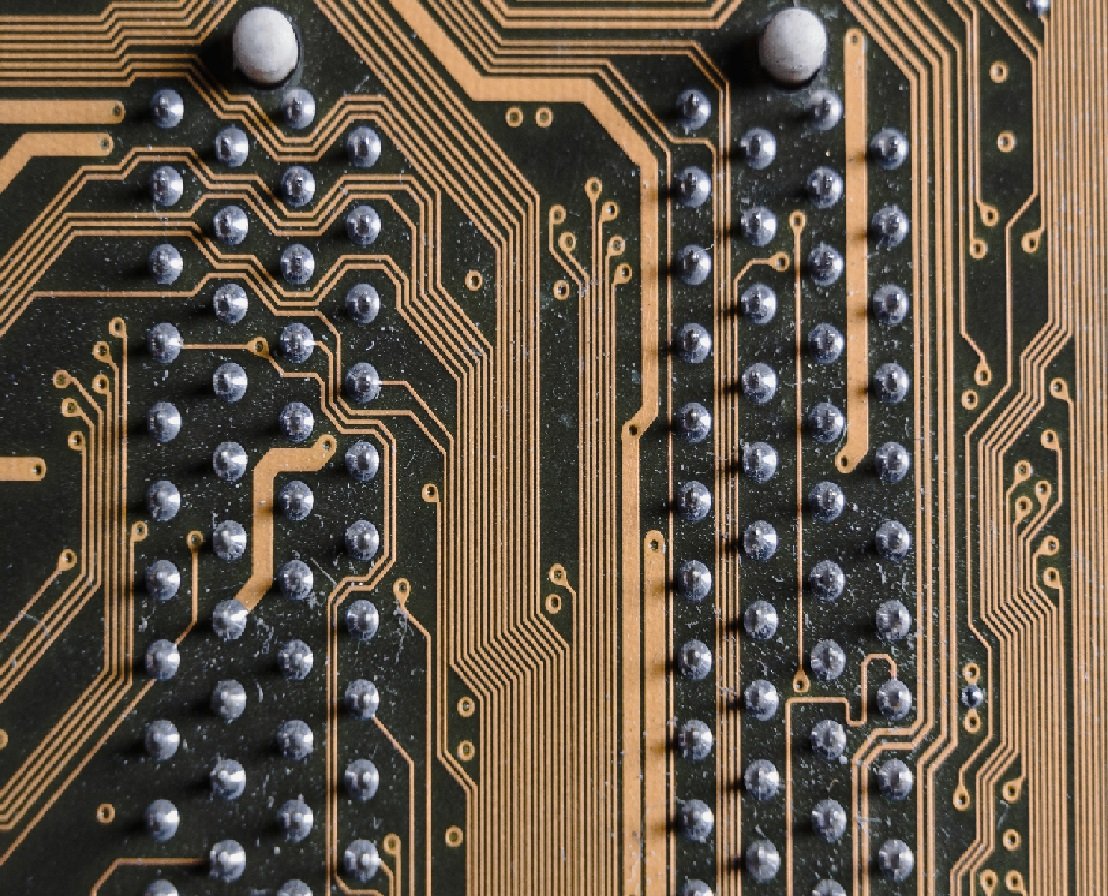
Introduction: When it comes to building or modifying a guitar's electronics, printed circuit boards (PCBs) are a popular choice for their ease of use and reliability. In this guide, we will explore some of the essential components that you will encounter when working with guitar electronics on a PCB. Whether you are a guitar enthusiast, a luthier, or someone looking to upgrade their instrument, this article will provide you with the knowledge to navigate the world of guitar electronics components for PCB. 1. Potentiometers (Pots): Potentiometers, commonly referred to as "pots," are variable resistors used to control volume, tone, and other parameters in electronic circuits. For guitars, the most commonly used pots are the audio taper pots, which offer a logarithmic response, allowing for smooth and precise control of the instrument's sound. Linear taper pots are more suitable for non-guitar applications. 2. Capacitors: Capacitors play a crucial role in shaping the tone of a guitar. They are used in tone controls, filters, and as coupling capacitors. When selecting capacitors for your guitar's PCB, the most commonly used types are ceramic, polyester film, and electrolytic capacitors. Each type has different characteristics, such as capacitance value and voltage rating, which can affect the tone to a certain extent. 3. Switches: Switches are essential for changing pickups, wiring configurations, and engaging various effects in a guitar. You will come across a variety of switches in guitar electronics, including toggle switches, push-pull switches, and rotary switches. It is important to choose reliable switches that are sturdy and can handle the demands of a musical instrument. 4. Jacks and Connectors: Jacks and connectors are the interface between your guitar and the outside world. The most commonly used jack for guitar PCBs is the standard 1/4" mono jack, where you connect your guitar cable. When it comes to connectors, soldering directly to the PCB is a common practice, but there are also options like header connectors or terminal blocks for more modular setups. 5. Resistors: Resistors are used to control current flow and voltage levels in guitar electronics. They are commonly found in volume and tone controls, as well as various amplifier circuits. Carbon film resistors are commonly used in guitar electronics due to their stability and reliability. It is important to choose resistors with appropriate wattage ratings to handle the power requirements of your circuit. Conclusion: Understanding the essential components for building or modifying guitar electronics on a PCB is crucial for achieving the desired sound and functionality. Whether you are a seasoned guitar builder or a beginner looking to venture into the world of guitar electronics, this guide has provided you with an overview of the components you will encounter. Experimenting with different components and configurations can help you discover unique tones and tailor your instrument to your preferences. Remember to always ensure the quality and compatibility of the components for optimal performance and longevity. Happy soldering! Want to expand your knowledge? Start with http://www.fguitars.com


