Troubleshooting Guitar Electronics: A Comprehensive Guide to Failure Analysis
Category : |
Sub Category : Posted on 2023-10-30 21:24:53
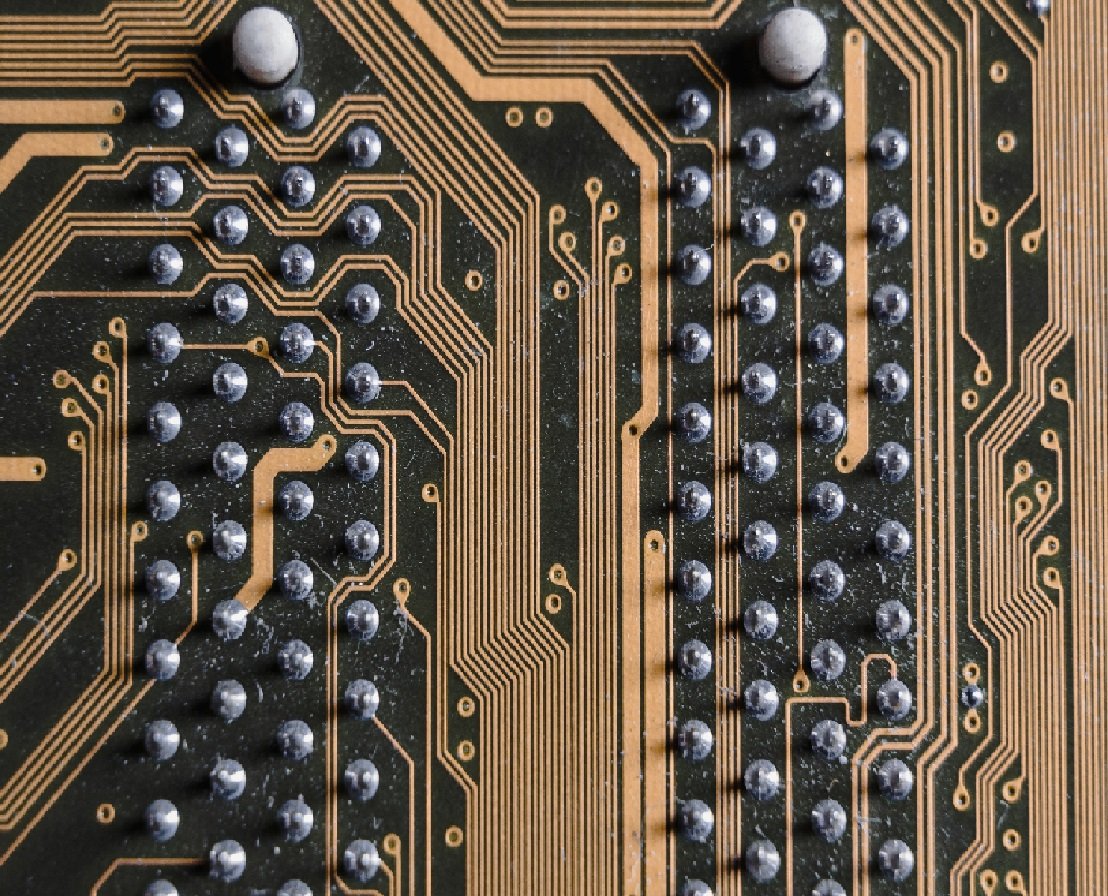
Introduction: As a guitarist, there's nothing more frustrating than encountering issues with your instrument's electronics. Whether it's a dead pickup, crackling pots, or no sound at all, these problems can hinder your playing and creativity. In this blog post, we will delve into the world of guitar electronics failure analysis. We will discuss common issues, their possible causes, and provide troubleshooting tips to help you get your guitar back in top working condition. 1. Dead Pickups: One of the most common problems guitarists encounter is a dead pickup. If you notice that one or more of your pickups are not producing any sound, there are several potential causes to consider: a) Loose wiring: Check for loose connections at the pickup itself, as well as at the volume and tone controls. Make sure all the wires are securely soldered in place. b) Faulty pickup selector switch: If the dead pickup(s) is connected to a specific position on the switch, it might be the culprit. Try cleaning the switch contacts with contact cleaner or replacing the switch entirely. c) Broken coil or magnet: Occasionally, the coil or magnet within a pickup may become damaged, resulting in a loss of output. In this case, replacement may be necessary. 2. Crackling Pots: Crackling or scratchy-sounding pots (potentiometers) can be incredibly annoying, especially when adjusting volume or tone. Here are some potential causes and solutions for this issue: a) Dirty or worn-out pots: Over time, the internal components of the pots can accumulate dirt, causing crackling sounds. Try using contact cleaner or lubricating spray specifically designed for electronics to clean and restore the pots. b) Loose wiring connections: Check if any of the potentiometer's connections are loose. If necessary, re-solder the connections to ensure a solid electrical bond. c) Potentiometer replacement: If cleaning or tightening the connections doesn't solve the issue, it might be time to replace the potentiometer altogether. 3. No Sound at All: Perhaps the most frustrating issue of all is when you get no sound from your guitar. When faced with this problem, consider the following: a) Faulty output jack: The output jack is a common point of failure. Make sure it is properly connected and securely tightened. If necessary, replace it with a new one. b) Dead battery: If your guitar is equipped with active electronics or pickups that require power, check the battery. A dead battery can result in no sound output whatsoever. Replace the battery with a fresh one if needed. c) Wiring and solder joints: Inspect the wiring and solder joints inside the guitar. Loose or broken connections can cause a loss of audio signal. Conclusion: Troubleshooting guitar electronics requires patience and a systematic approach. By familiarizing yourself with the common issues and their potential causes, you will have a better chance of identifying and resolving problems in your guitar's electronics. Remember to take necessary precautions and if you're unsure, seek the help of a professional guitar technician. Keeping your instrument in top shape will ensure that you can focus on your music rather than technical difficulties. Happy playing! click the following link for more information: http://www.fguitars.com


