Exploring the Future of Guitar Electronics with Surface Mount Technology
Category : |
Sub Category : Posted on 2023-10-30 21:24:53
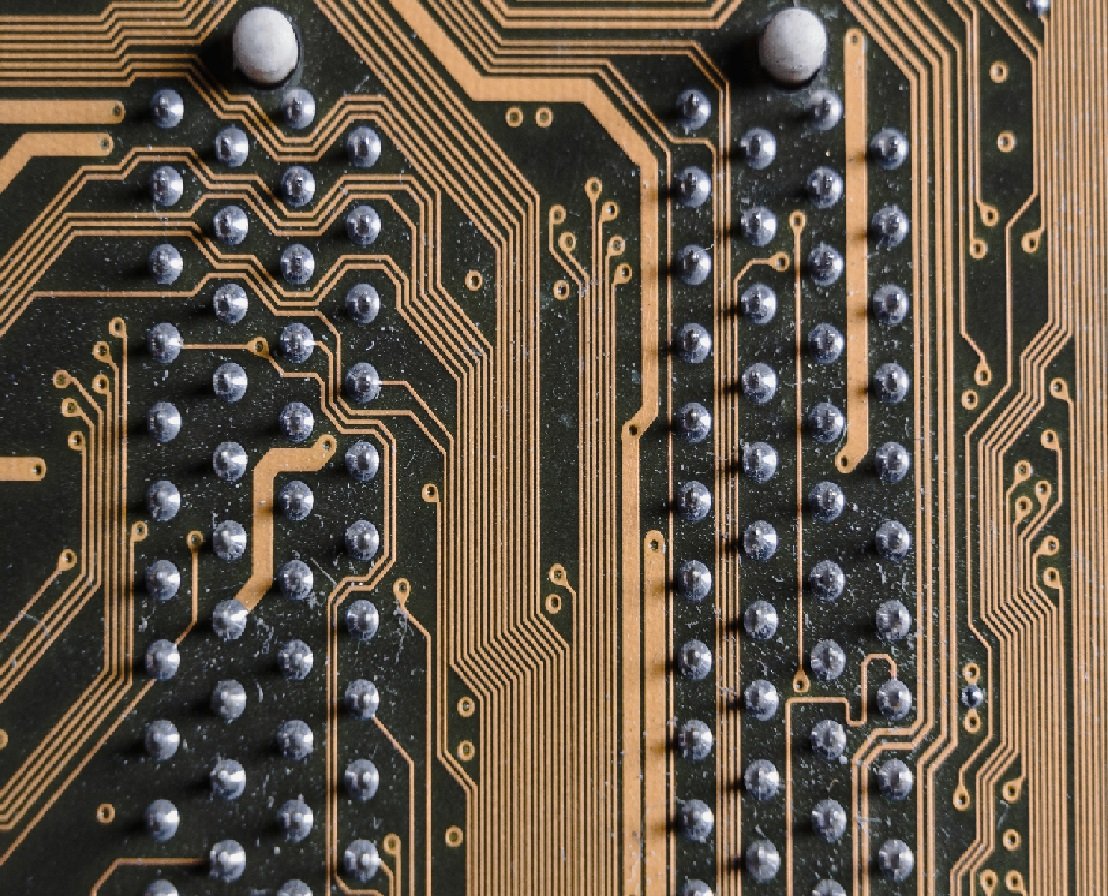
Introduction: In recent years, the guitar manufacturing industry has witnessed a significant shift towards embracing cutting-edge technologies to enhance the performance and functionality of electric guitars. One such technological advancement is Surface Mount Technology (SMT) in guitar electronics. SMT offers numerous benefits compared to traditional through-hole components, leading to improved tone, increased versatility, and enhanced reliability. In this blog post, we will delve into the world of guitar SMT electronics and explore the exciting possibilities it brings to the table. What is Surface Mount Technology (SMT)? Surface Mount Technology, commonly abbreviated as SMT, refers to a method of constructing electronic circuits where the components are mounted directly onto the surface of a printed circuit board (PCB). Unlike the traditional through-hole components, which require drilling holes in the PCB for the leads to pass through, SMT components are soldered onto the copper pads on the surface of the board. This approach grants several advantages, including smaller footprints, faster assembly, improved signal integrity, and increased component density. Benefits of SMT Electronics in Guitars: 1. Miniaturization: By utilizing SMT components, guitar manufacturers can create smaller and more compact electronic circuits, allowing for sleeker designs and improved ergonomics. This reduction in size and weight makes guitars more comfortable to play and easier to transport, without compromising on functionality. 2. Enhanced signal integrity: SMT components have shorter lead lengths, reducing parasitic capacitance and inductance that can interfere with signal integrity. This leads to improved signal clarity and a more defined and articulate tone. 3. Reliability and durability: SMT components are mechanically robust due to their secure solder connections and are less prone to damage from vibration or shock. This increased stability enhances the reliability and durability of guitar electronics, ensuring consistent performance over time. 4. Versatility: SMT technology allows for greater design flexibility, as components can be placed on both sides of the PCB. This enables the integration of a wide range of features, such as multi-function switches, high-quality digital effects, and MIDI compatibility. Guitarists can explore new tones and experiment with various sounds, taking their creativity to new heights. 5. Improved manufacturing efficiency: The automated assembly process of SMT electronics drastically reduces production time, ensuring faster turnaround times for guitar manufacturers. This efficiency can lead to cost savings for both manufacturers and consumers without compromising on the quality of the end product. The Future of Guitar Electronics: As the adoption of SMT in the guitar manufacturing industry continues to grow, we can expect even more advancements in guitar electronics. These innovations may include wireless connectivity options, integrated IoT (Internet of Things) capabilities, and advanced signal processing algorithms. Guitarists will have access to a whole new realm of sonic possibilities, allowing them to push the boundaries of creativity and expression. Conclusion: Surface Mount Technology is revolutionizing the world of guitar electronics, opening doors to endless possibilities. The miniaturization, enhanced signal integrity, improved reliability, and versatility offered by SMT components are transforming the way guitars are designed, manufactured, and played. As guitarists embrace this technology, they will undoubtedly experience a new level of musical innovation, allowing for unprecedented musical journeys. Whether you're a professional guitarist or an avid enthusiast, keep an eye on the evolving landscape of SMT electronics in the guitar industry it's an exciting time to be part of this revolution. Seeking answers? You might find them in http://www.fguitars.com


