Exploring the Essential Electronics Components for PCBs in Healthcare Devices
Category : |
Sub Category : Posted on 2023-10-30 21:24:53
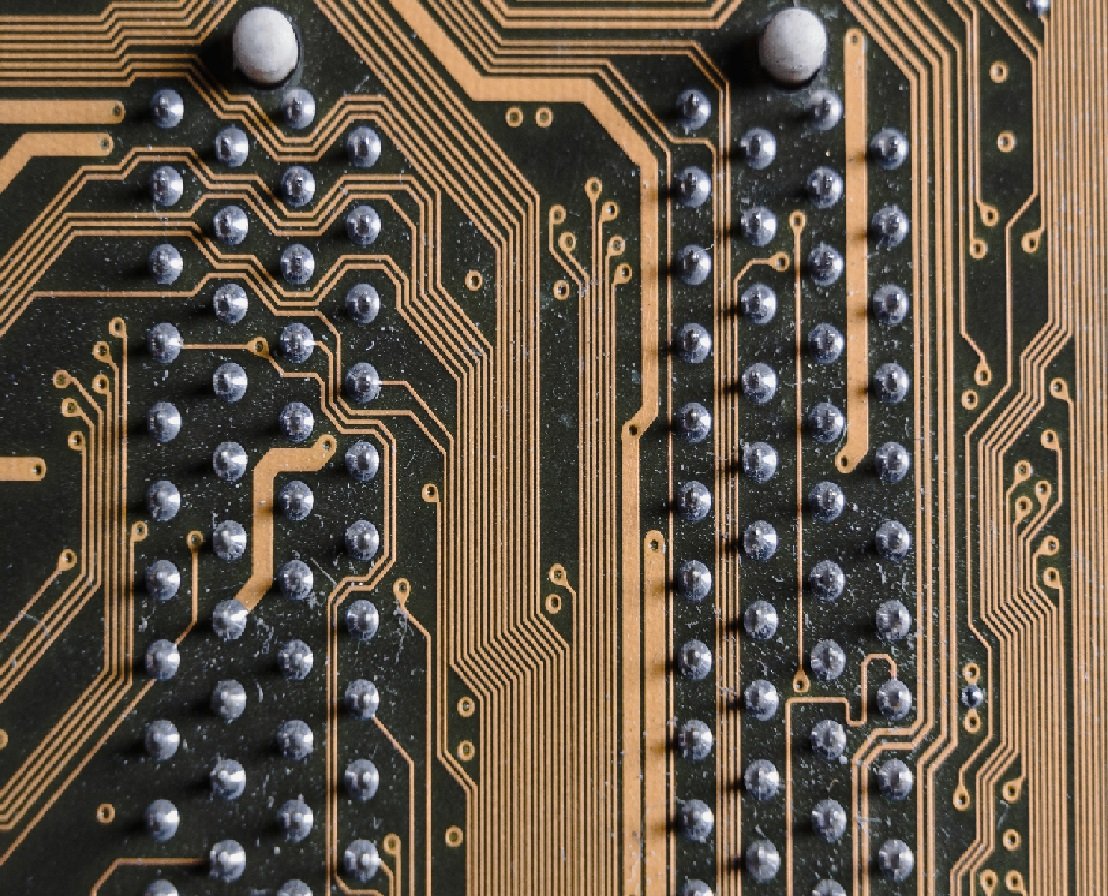
Introduction: In recent years, the field of healthcare has witnessed remarkable advancements, and a significant contributor to this progress is the integration of electronics into medical devices. From monitoring devices to diagnostic tools, electronics have revolutionized healthcare, enabling accurate diagnosis, efficient treatment, and remote patient monitoring. At the core of these medical devices are Printed Circuit Boards (PCBs) embedded with various electronics components. In this article, we will explore the essential electronics components used in PCBs for healthcare devices, highlighting their significance in advancing patient care. 1. Microcontrollers: Microcontrollers form the brain of healthcare electronic devices. These small-sized integrated circuits contain a central processing unit (CPU), memory, and necessary peripherals, allowing them to perform specific functions according to the device's requirements. Microcontrollers control and coordinate various components in a healthcare device, facilitating data processing and communication between modules. 2. Sensors: Sensors are critical components in healthcare devices as they acquire real-time data from the patient's body or the environment. Different types of sensors are used in healthcare applications, such as temperature sensors, heart rate sensors, blood pressure sensors, oxygen level sensors, and motion sensors. These sensors monitor and measure vital signs, helping healthcare professionals track the patient's health status accurately. 3. Amplifiers: Amplifiers play a crucial role in healthcare devices that involve signal processing. These components amplify weak signals received from sensors to ensure accurate measurements. Amplifiers help enhance the quality and reliability of the signals, minimizing distortion or interference during the data acquisition process. They are particularly essential in applications involving electrocardiography (ECG) and electroencephalography (EEG), among others. 4. Memory Chips: Memory chips in healthcare devices store vital patient data and reference information. They provide storage for software, configuration parameters, and patient records. Memory chips come in various forms, such as read-only memory (ROM), random-access memory (RAM), and flash memory. The efficient management of data storage is crucial for healthcare devices to maintain patient history and facilitate secure information exchange. 5. Communication Modules: Communication modules enable the seamless transmission of data between healthcare devices and external systems. These modules can encompass various wireless technologies such as Bluetooth, Wi-Fi, or cellular networks. By incorporating communication capabilities, healthcare devices can share crucial patient information with healthcare professionals, caregivers, or monitoring systems in real-time, enabling remote monitoring and efficient telemedicine services. 6. Power Management Systems: Power management systems are integral to healthcare devices to ensure constant and reliable operation. These systems provide regulated power supply to various components in the device, preventing sudden voltage fluctuations. They include power regulators, voltage references, and battery management circuits. The power management system also plays a crucial role in optimizing the device's energy consumption, ensuring long battery life, and reducing the need for frequent recharging. Conclusion: The integration of electronics components into PCBs has undoubtedly revolutionized the healthcare industry, providing efficient and accurate solutions for patient care. From microcontrollers to sensors, amplifiers to memory chips, communication modules to power management systems, each component plays a vital role in the functioning of healthcare electronic devices. As technology continues to advance, ongoing innovation in electronics components will pave the way for even more advanced and personalized healthcare solutions. To expand your knowledge, I recommend: http://www.doctorregister.com for more http://www.tinyfed.com You can also check following website for more information about this subject: http://www.natclar.com sources: http://www.qqhbo.com


