Understanding Health Care Electronics Failure Analysis
Category : |
Sub Category : Posted on 2023-10-30 21:24:53
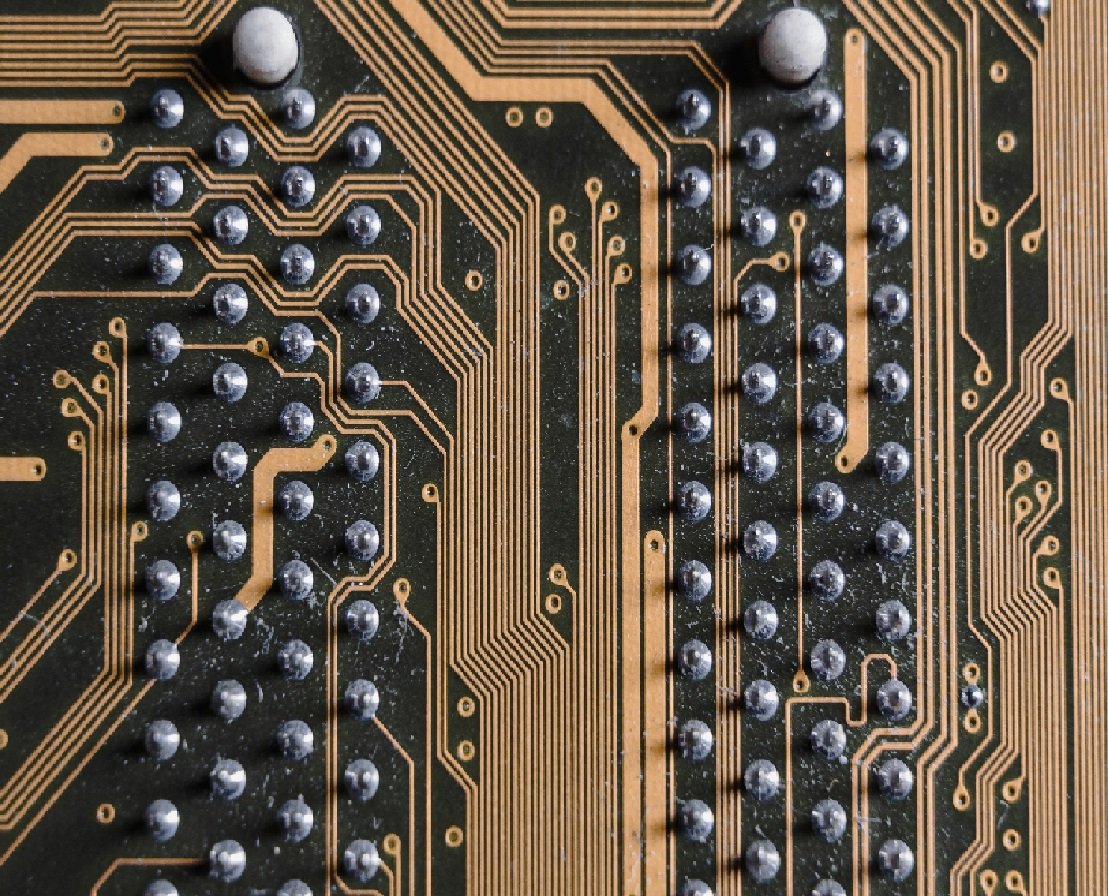
Introduction: Health care electronics have revolutionized the medical industry by providing innovative solutions for diagnosis, treatment, and patient care. From vital sign monitors to medical imaging devices, these electronics play a pivotal role in delivering accurate and timely health care services. However, like any other technological device, health care electronics may sometimes encounter failures. In this blog post, we will explore the importance of failure analysis in ensuring the reliability and safety of these critical medical devices. Importance of Failure Analysis in Health Care Electronics: 1. Patient Safety: Health care electronics failure can have serious implications for patient safety. Malfunctioning devices may lead to incorrect diagnosis, inaccurate treatment, or even adverse effects on patients' health. By conducting failure analysis, manufacturers and health care professionals can identify the root cause of the issue and implement effective solutions to prevent similar failures in the future, ensuring patient safety remains a top priority. 2. Device Reliability: Health care electronics must be reliable and perform consistently to meet the demands of medical professionals. Failure analysis helps identify the underlying reasons for failures, such as component fatigue, software bugs, or design flaws. By understanding these issues, manufacturers can enhance their device design, improve component selection, and implement appropriate quality control measures to ensure better reliability and minimize failure rates. 3. Cost-Effectiveness: Failure analysis also plays a significant role in reducing costs associated with health care electronics. Identifying and correcting underlying problems in a faulty device can prevent extensive damage and potential harm to patients. By pinpointing the exact cause of failure, health care providers can save valuable time and expenses, enabling efficient repairs or replacements without unnecessary delays or processes. 4. Regulatory Compliance: The health care industry is highly regulated to ensure patient safety and device effectiveness. Many regulatory bodies, such as the FDA in the United States, require manufacturers to conduct failure analysis and document the findings. Failure analysis helps demonstrate compliance with regulations, as it aids in identifying potential risks and implementing appropriate corrective actions. By adhering to regulatory requirements, manufacturers can gain confidence from users and regulatory agencies, fostering trust in their products. Methods and Techniques for Failure Analysis: 1. Examination and Testing: Examination of failed components or subsystems through visual inspection, electrical testing, and functional evaluation can reveal valuable insights into the root cause of failure. This includes checking for physical damage, loose connections, overheating, or any other signs of malfunction. 2. Fault Tree Analysis: Fault Tree Analysis (FTA) is a systematic approach used to identify and analyze potential failures in complex systems. FTA creates a graphical representation of events that can lead to system failure, allowing experts to identify critical paths and possible failure scenarios. 3. Root Cause Analysis: Root Cause Analysis (RCA) is a structured process aimed at identifying the fundamental cause of a problem. It involves asking "why" several times to trace the issue back to its origin. RCA helps identify system weaknesses or vulnerabilities that may have contributed to the failure. Conclusion: Health care electronics failure analysis plays a vital role in ensuring patient safety, device reliability, cost-effectiveness, and regulatory compliance within the medical industry. By understanding the root causes of failures, manufacturers can continuously improve their products, leading to better patient care and enhanced trust among health care providers. Failure analysis helps in identifying potential risks, implementing corrective actions, and ultimately fostering innovation in health care electronics. To understand this better, read http://www.doctorregister.com Want to know more? Don't forget to read: http://www.tinyfed.com Expand your knowledge by perusing http://www.natclar.com For more information about this: http://www.qqhbo.com


