Exploring the Role of Electronic Components for PCB in Health Devices
Category : |
Sub Category : Posted on 2023-10-30 21:24:53
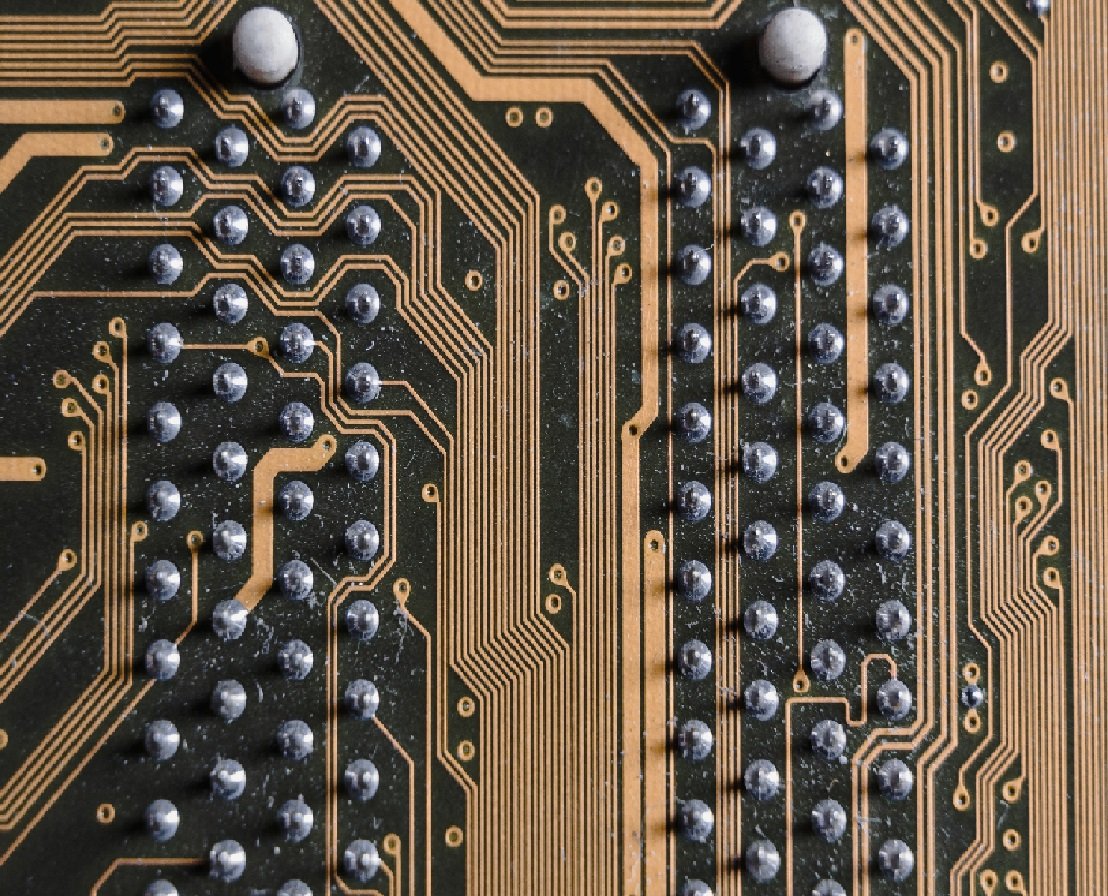
Introduction: Electronic components form the backbone of modern health devices, enabling advanced features and precise functionality. From wearable fitness trackers to medical monitoring systems, these components play a crucial role in enhancing our health and well-being. In this blog post, we will delve into the various electronic components used in PCBs (Printed Circuit Boards) for health devices and explore their significance in delivering accurate and reliable healthcare solutions. 1. Microcontrollers: Microcontrollers are the brains behind health devices, responsible for executing complex tasks and controlling their functions. With their high processing power and built-in memory, microcontrollers allow for real-time data collection, analysis, and communication. Vital signs monitoring devices, such as heart rate monitors and blood pressure monitors, heavily rely on microcontrollers to process crucial data for accurate readings. 2. Sensors: Sensors are key components that enable health devices to gather data from the environment or the human body. Different sensors, such as temperature sensors, motion sensors, and biosensors, are integrated into health devices for monitoring specific health parameters. For instance, accelerometers in fitness trackers measure movement and activity levels, while glucose sensors in diabetic monitoring systems measure blood sugar levels. 3. Analog-to-Digital Converters (ADCs): Analog-to-Digital Converters (ADCs) are essential for converting analog signals from sensors into digital data that can be processed by microcontrollers. The accuracy and precision of ADCs determine the overall reliability of health devices. ADCs play a crucial role in medical devices like electrocardiography (ECG) machines, where they convert electrical signals from the heart into digital waveforms for analysis. 4. Wireless Communication Modules: Wireless communication modules, such as Wi-Fi, Bluetooth, and cellular connectivity, enable health devices to transmit data to other devices or cloud-based platforms. These modules allow for remote monitoring, real-time data sharing, and seamless integration with mobile applications or healthcare systems. Wearable devices like smartwatches or fitness trackers utilize wireless communication modules to sync and transmit data to smartphones or cloud servers. 5. Power Management: Efficient power management is vital for health devices, ensuring prolonged battery life and uninterrupted functionality. Power management components, such as voltage regulators, power amplifiers, and battery charging circuits, optimize energy consumption and regulate power supply for different subsystems. These components are critical in implantable medical devices or portable health monitors where long battery life is crucial for continuous monitoring. Conclusion: The advancement of electronic components for PCBs has revolutionized the field of health devices, leading to more accurate, personalized, and accessible healthcare solutions. Microcontrollers, sensors, ADCs, wireless communication modules, and power management components form the backbone of these devices, enabling real-time monitoring, data analysis, and seamless connectivity. As technology advances, these components will continue to evolve, leading to more innovative and effective health devices contributing to the improvement of overall human well-being. Remember, when choosing health devices or evaluating their performance, it's essential to understand the importance of these electronic components and how they contribute to accurate health data and reliable functionality. To get a better understanding, go through http://www.doctorregister.com Want a deeper understanding? http://www.tinyfed.com Seeking answers? You might find them in http://www.natclar.com


