The Transformative Power of Industrial Automation: An Introduction to Analog and Digital Electronics
Category : |
Sub Category : Posted on 2023-10-30 21:24:53
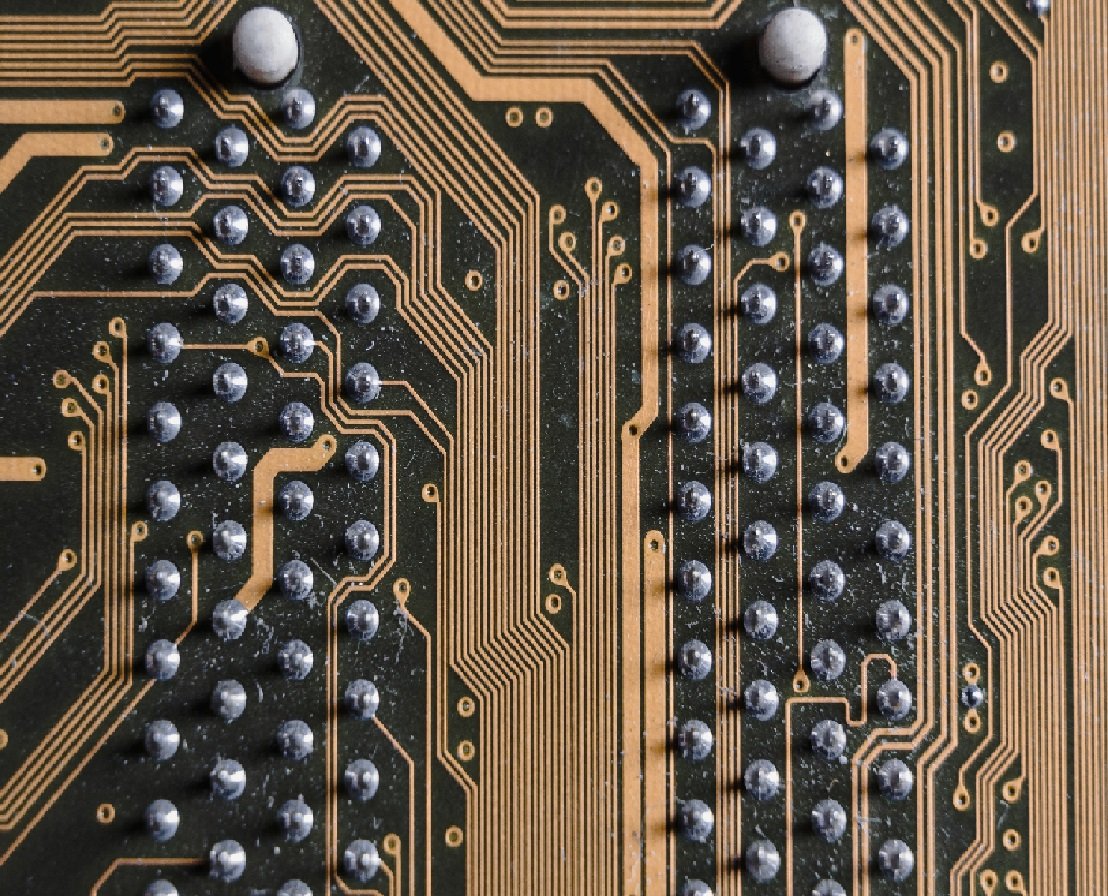
Introduction: In today's rapidly advancing technological landscape, industrial automation has emerged as a game-changer for businesses worldwide. By replacing manual processes with intelligent machinery and systems, industries can streamline operations, increase productivity, and drive overall efficiency. At the core of this transformation lie the foundations of analog and digital electronics. In this blog post, we will delve into the significance of these technologies in industrial automation, exploring their functions, differences, and real-world applications. Understanding Analog Electronics: Analog electronics refers to a system that processes continuous electrical signals proportional to real-world phenomena. These signals can take any value within a specific range. Analog electronics is prevalent in various industrial automation applications, where precise and continuous measurements are crucial. Some key components of analog electronics include amplifiers, operational amplifiers (op-amps), sensors, transducers, and analog-to-digital converters (ADCs). In industrial automation, analog electronics plays a vital role in gathering data from physical sensors such as pressure, temperature, flow, and position sensors. These sensors convert real-world physical quantities into electrical analog signals that can be easily measured and manipulated. For instance, in a manufacturing setting, analog electronics can be employed to monitor temperature levels in furnaces or pressure in assembly lines, ensuring optimal conditions and preventing equipment failures. Exploring Digital Electronics: Unlike analog electronics, digital electronics processes discrete values or binary signals, commonly represented as ones (1) and zeros (0). Digital systems operate on logic circuits and utilize digital components such as microcontrollers, programmable logic controllers (PLCs), logic gates, and digital-to-analog converters (DACs). Digital electronics is the backbone of advanced automation systems, providing enhanced control, precision, and flexibility in industrial settings. Digital electronics excel in data storage, processing, and manipulation, enabling industrial automation to achieve remarkable levels of sophistication and efficiency. Through the use of sensors and actuators, digital systems collect data from physical inputs, convert them into digital signals, and process them using algorithms. This allows for real-time monitoring, analysis, and control, leading to optimized production, reduced downtime, and improved quality. Industrial robots, automated assembly lines, and autonomous vehicles are prime examples of digital electronics in action. The Synergy of Analog and Digital Electronics in Industrial Automation: While analog and digital electronics have distinct characteristics and functionalities, they often work hand in hand in industrial automation. Analog signals from sensors are first converted to digital signals using ADCs, allowing digital systems to process and manipulate the data with ease. Digital control signals are then transformed into analog signals using DACs to interact with the physical world, such as driving motors or controlling valve positions. This synergy between analog and digital electronics empowers industries to achieve exceptional accuracy, responsiveness, and efficiency. By combining continuous monitoring (analog) with intelligent decision-making and control (digital), industrial automation systems can adapt to dynamic environments, self-regulate processes, and optimize resource utilization. Real-World Applications: The applications of industrial automation powered by analog and digital electronics are vast and diverse. From automotive manufacturing to pharmaceutical production, these technologies are revolutionizing industries globally. Here are a few noteworthy examples: 1. Smart factories: Analog and digital electronics enable real-time monitoring, predictive maintenance, and intelligent control in production lines, leading to enhanced productivity and reduced costs. 2. Energy management systems: By leveraging analog sensors and digital control systems, industries can optimize energy consumption, reduce waste, and improve sustainability efforts. 3. Robotics and autonomous systems: Analog and digital electronics drive the automation of complex tasks in industries such as logistics, agriculture, and healthcare, improving efficiency and safety. Conclusion: Analog and digital electronics are the backbone of industrial automation, enabling businesses to achieve unprecedented levels of efficiency, productivity, and sophistication. As technology continues to evolve, these foundational technologies will play an increasingly vital role in shaping the industrial landscape. By understanding and harnessing the power of analog and digital electronics, industries can unlock new possibilities, drive innovation, and thrive in an era of automation.


