Maintaining Electromagnetic Compatibility in Industrial Robotics: Key Considerations for a Seamless Operation
Category : |
Sub Category : Posted on 2023-10-30 21:24:53
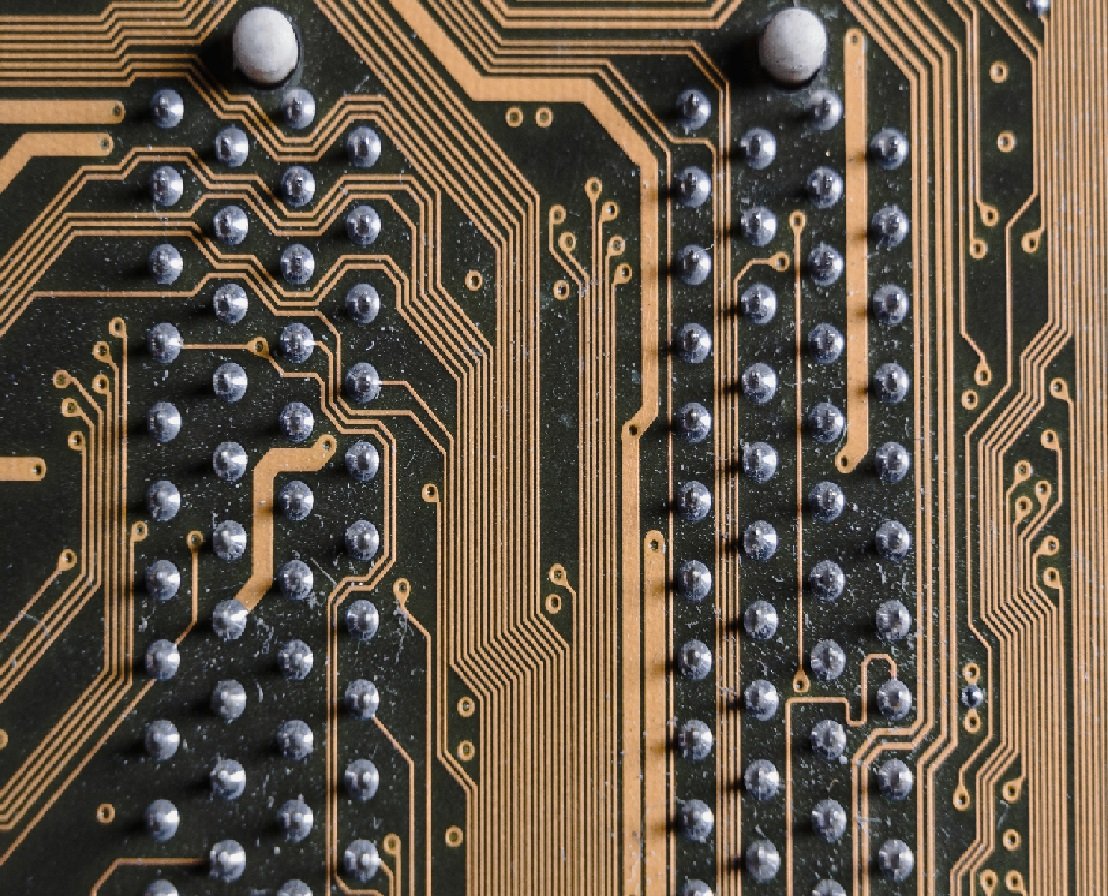
Introduction: Industrial robotics has revolutionized manufacturing processes, optimizing productivity, efficiency, and quality. With the rise of automation, it becomes increasingly important to ensure that these robotic systems function harmoniously, both among themselves and with other electronic devices operating in the same environment. This is where electromagnetic compatibility (EMC) plays a crucial role. In this blog post, we will explore the concept of EMC in the context of industrial robotics and delve into key considerations for maintaining a seamless operation. What is Electromagnetic Compatibility (EMC)? EMC refers to a system's ability to function appropriately in its intended electromagnetic environment while not causing interference with other devices in the same environment. In the context of industrial robotics, it involves ensuring that robotic systems operate without experiencing or causing electromagnetic interference (EMI) to other equipment or systems nearby. Challenges in Maintaining EMC in Industrial Robotics: 1. Electromagnetic Interference (EMI): Electromagnetic interference can disrupt the normal operation of robotics systems and other electronic devices in their vicinity. This interference can arise from a variety of sources, including power lines, radio frequency signals, and electrostatic discharge. Designing robots with proper shielding, grounding, and filtering mechanisms can help mitigate the impact of EMI. 2. Signal Integrity: Robots rely on various communication interfaces to interact with their surroundings, including sensors, controllers, and industrial networks. Poor signal integrity can lead to data corruption, communication errors, and ultimately, compromised performance. Employing best practices such as proper cable routing, cable shielding, and maintaining separation between power and signal lines can help maintain signal integrity. 3. Coexistence with Other Equipment: Industrial environments are typically filled with a wide range of electronic devices, including motor drives, welding machines, and sensors. Ensuring coexistence between robotic systems and these devices is essential to avoid mutual interference. Careful planning of the operational frequencies, isolation mechanisms, and appropriate spacing between devices can minimize the risk of electromagnetic interactions. Best Practices for Maintaining EMC in Industrial Robotics: 1. Comprehensive EMC Testing: Performing thorough EMC testing during the design and development stage of industrial robotics systems can help identify potential problems before they arise. This includes testing for radiated emissions, conducted emissions, and immunity to external disturbances. Regular monitoring and maintenance should be conducted to ensure ongoing compliance. 2. Proper Grounding and Shielding: Specific attention should be given to the grounding and shielding practices during the installation of robotic systems. Grounding techniques help dissipate stray currents and equalize potentials, while shielding prevents the transmission of electromagnetic waves to sensitive components and nearby equipment. Following industry standards and guidelines can significantly reduce potential EMC issues. 3. Separation of Power and Signal Lines: To minimize electromagnetic coupling, it's important to separate power lines, which carry high levels of electrical noise, from signal lines. This can be achieved by utilizing separate routing paths or physically isolating the lines through shielding or insulation. 4. Regular Equipment Maintenance: Industrial robotic systems are subject to wear and tear over time, which can degrade their EMC performance. Regular equipment maintenance should be implemented, including inspections for loose connections, damaged cables, and worn-out shielding. Prompt repairs or replacements of faulty components will help ensure continued EMC compliance. Conclusion: Maintaining electromagnetic compatibility in industrial robotics is crucial for uninterrupted, efficient, and safe operations. By adhering to best practices, such as comprehensive EMC testing, proper grounding and shielding, and the separation of power and signal lines, manufacturers can mitigate the risks of electromagnetic interference, enhance signal integrity, and ensure a seamless operation of their robotic systems. Embracing these measures is essential for the sustained growth and success of the industrial automation sector. To expand your knowledge, I recommend: http://www.pxrobotics.com


