Ensuring Reliable Signal Integrity in Industrial Robotics
Category : |
Sub Category : Posted on 2023-10-30 21:24:53
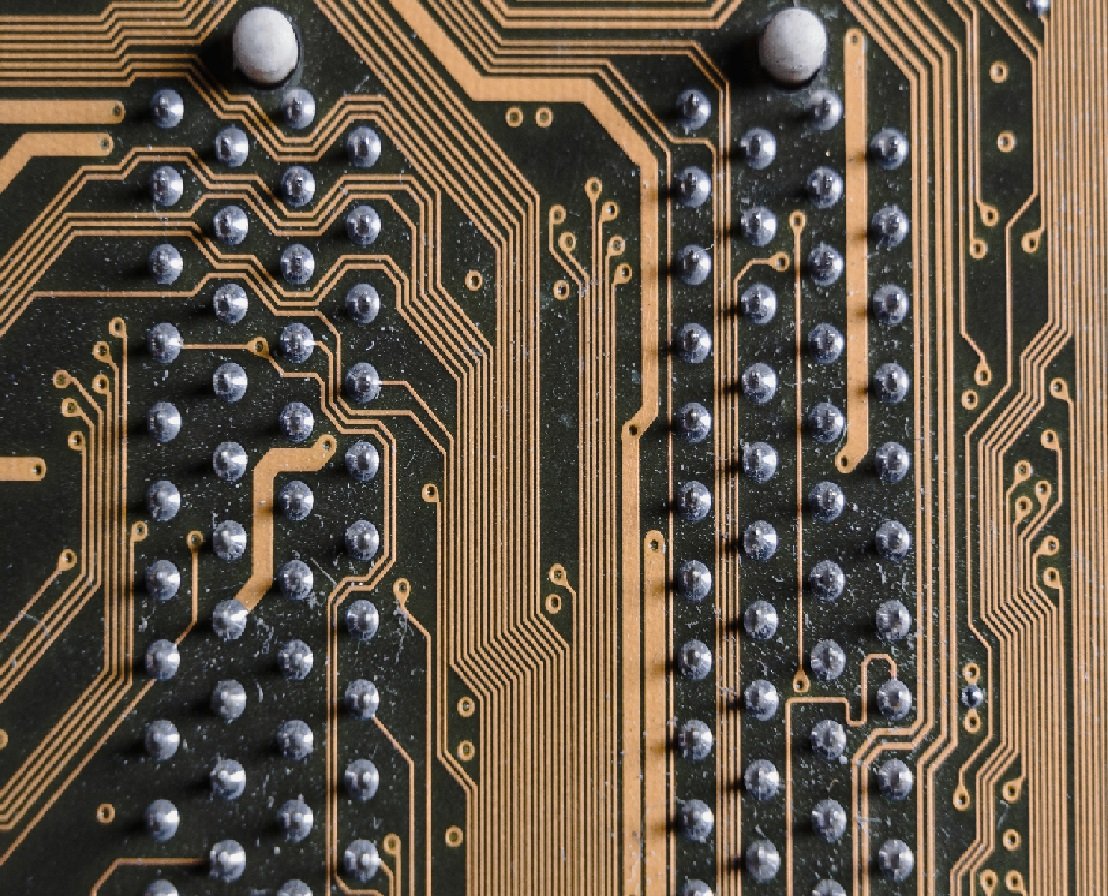
Introduction: In recent years, industrial robotics has revolutionized various manufacturing processes, offering increased precision, efficiency, and productivity. As these robots become more complex and interconnected, ensuring reliable signal integrity is becoming increasingly crucial. In this article, we will explore the significance of signal integrity in industrial robotics and discuss methods to maintain optimum performance. Understanding Signal Integrity in Industrial Robotics: Signal integrity refers to the quality and reliability of electrical signals transmitted and received without any distortion or interference. In the context of industrial robotics, it directly affects the overall performance, accuracy, and safety of these automated systems. Signals in industrial robotics can range from power and control signals to sensor readings and communication between various components. Importance of Signal Integrity in Industrial Robotics: 1. Increased Performance: Reliable signal integrity ensures precise control and synchronization of robotic movements, resulting in improved accuracy, speed, and repeatability. This is especially crucial in applications where delicate tasks, such as assembling miniature components or performing intricate surgeries, require high precision and consistency. 2. Safety and Reliability: Industrial robots are often deployed in environments where human safety is a top concern. By maintaining signal integrity, potential malfunctions or errors can be minimized, reducing the risk of accidents or damage to equipment. Accurate signal transmission ensures that actions are carried out as intended, providing a secure environment for operators and nearby personnel. Methods to Ensure Signal Integrity in Industrial Robotics: 1. Proper Cable Routing and Shielding: Paying attention to cable routing and employing shielding techniques can significantly reduce signal interference caused by electromagnetic fields or radio frequency interference. Separating power and signal cables as well as using grounded shielding can help minimize cross-talk and maintain signal integrity. 2. Robust Grounding and Isolation: Establishing a reliable grounding system and implementing proper isolation techniques is crucial to protect the integrity of control and sensor signals. Ground loops can introduce unwanted noise and disturbances, which can compromise the accuracy of signal transmission. Isolation techniques, such as opto-isolation or transformer coupling, can provide an effective solution. 3. Signal Amplification and Filtering: In situations where signals are weakened over long cable runs, amplification can be employed to boost the signal strength while reducing the chances of noise introduction. Additionally, implementing suitable filters can help eliminate or reduce undesirable frequencies that can affect signal integrity. 4. Regular Maintenance and Testing: To ensure ongoing signal integrity, regular maintenance and testing are vital. Periodic inspections and checks of cables, connectors, and connections can help identify and rectify any potential issues before they cause signal degradation or failure. Conducting performance tests and monitoring signal quality can provide valuable insights into the overall health of the system. Conclusion: Signal integrity plays a fundamental role in maintaining the smooth operation and reliability of industrial robotics. By focusing on proper cable routing, effective shielding, grounding and isolation techniques, and consistent maintenance, manufacturers can ensure optimum performance and accuracy in their automated systems. As industrial robotics continues to evolve, the importance of signal integrity will only grow, enabling advanced applications and unlocking new possibilities in various industries. Get more at http://www.pxrobotics.com


