Exploring the Intersection of Analog and Digital Electronics in Internet of Things Technology
Category : |
Sub Category : Posted on 2023-10-30 21:24:53
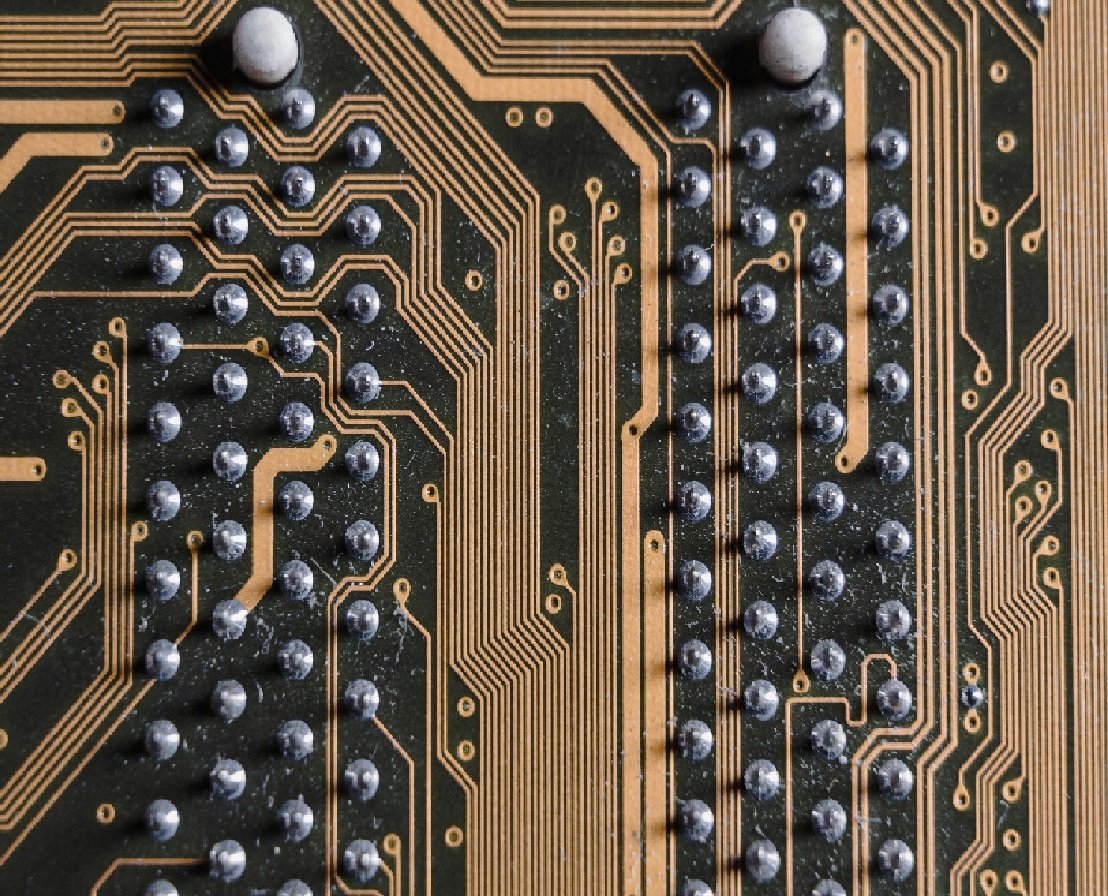
Introduction: The Internet of Things (IoT) has emerged as a transformative technology that connects devices, sensors, and objects to the internet, enabling them to communicate and exchange data. This interconnectedness has paved the way for smarter homes, cities, industries, and a plethora of applications. At the core of IoT technology lie both analog and digital electronics, working in concert to enable seamless connectivity and efficient data processing. In this blog post, we will explore the fascinating intersection of analog and digital electronics in IoT technology. Understanding Analog and Digital Electronics: To comprehend the role of analog and digital electronics in IoT technology, it is crucial to understand the difference between the two. Analog electronics deals with continuous signals, where the information is transmitted in the form of a varying voltage or current. It is well-suited for tasks that require precise measurements, such as temperature sensors, pressure sensors, and light sensors. Analog electronics ensures the accuracy and reliability of data acquisition from the physical world. On the other hand, digital electronics deals with discrete signals, where information is encoded as a series of ones and zeros. It is the backbone of computation and data processing, making it possible to manipulate, store, and transmit large amounts of information efficiently. Digital electronics is responsible for tasks such as data processing, decision-making, and wireless communication in the IoT ecosystem. Integration of Analog and Digital Electronics in IoT: The integration of analog and digital electronics in IoT devices is crucial for seamless operation and efficient data processing. Let's delve into some key areas where this integration plays a vital role: 1. Sensor Technology: Sensors play a pivotal role in gathering real-world data in IoT applications. Analog sensors convert physical measurements, such as temperature or light intensity, into electrical signals. Digital electronics then comes into play by converting these analog signals into digital form, making it easier to process, analyze, and transmit the data. 2. Signal Conditioning and Data Conversion: Analog-to-digital converters (ADCs) are vital components in digital electronics that enable the conversion of continuous analog signals from sensors into discrete digital data. This conversion allows for easier manipulation, storage, and transmission of the acquired sensor data for further processing and analysis. 3. Communication and Connectivity: IoT devices are designed to interact with each other and with the wider network. Analog electronics ensures robust communication by amplifying, filtering, and modulating the signals transmitted. Digital electronics then handles the data packets, error correction, and encryption, facilitating secure and reliable transmission of information across the IoT ecosystem. 4. Power Management: Optimizing power consumption is a crucial aspect of IoT devices, considering their often remote or battery-powered nature. Analog electronics plays a significant role in power management by efficiently regulating supply voltages, maximizing energy efficiency, and implementing power-saving techniques. Digital electronics complements this by enabling intelligent power management algorithms to minimize energy usage during data processing and communication. Conclusion: The convergence of analog and digital electronics lies at the heart of Internet of Things technology, enabling the seamless integration of physical and digital worlds. Analog electronics ensures accurate data acquisition from sensors and robust signal processing, while digital electronics facilitates efficient data conversion, computation, and communication. The harmonious integration of these two disciplines is vital for the success and widespread adoption of IoT applications, paving the way for a smarter, more connected future.


