Exploring Electronics Components for PCB in Internet of Things Technology
Category : |
Sub Category : Posted on 2023-10-30 21:24:53
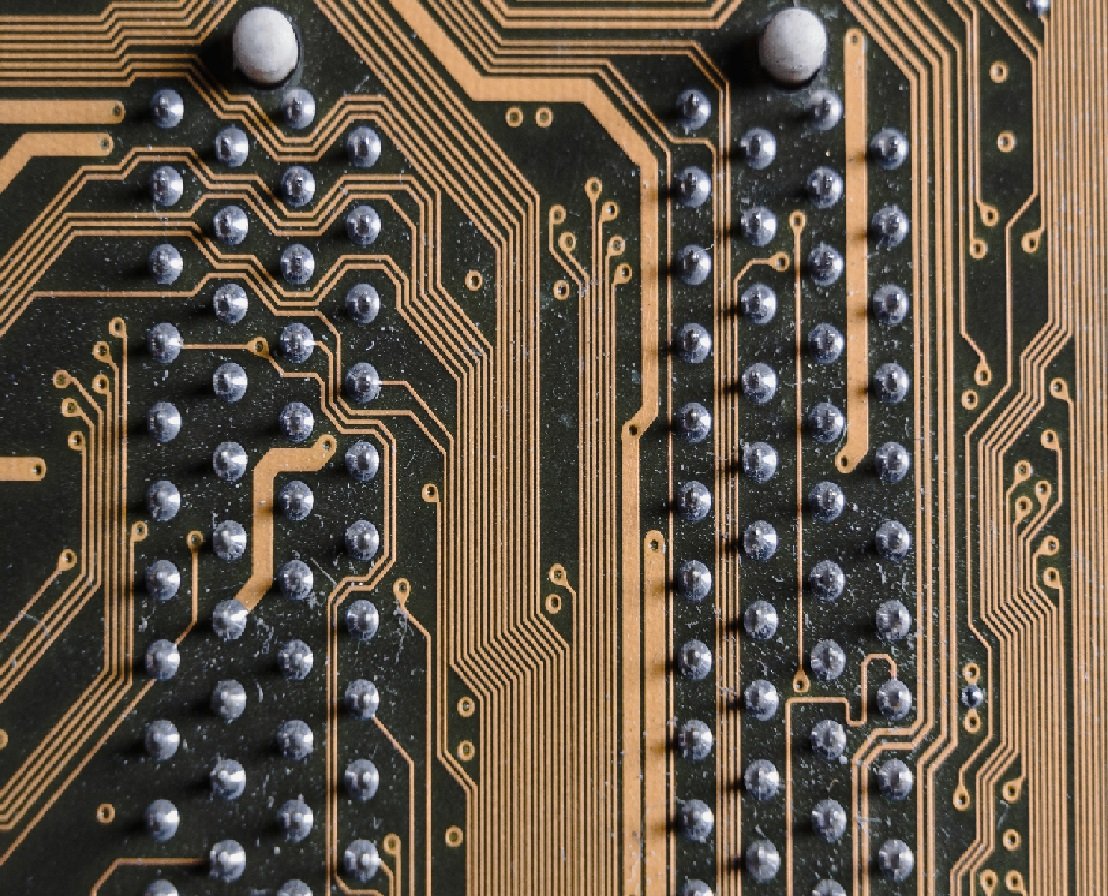
Introduction: In the fast-paced world of technology, the Internet of Things (IoT) has taken center stage, revolutionizing the way we live and interact with our environment. As the demand for IoT devices continues to rise, one important aspect that needs to be considered is the selection of electronics components for the Printed Circuit Boards (PCB) that power these devices. In this blog post, we will explore some of the key electronics components that are essential for successful IoT implementation. 1. Microcontrollers: Microcontrollers are the backbone of any IoT device. These integrated circuits are responsible for processing and controlling the device's operations. They provide the necessary computing power, memory, and input/output capabilities for the device to function. Popular microcontrollers used in IoT applications include Arduino, Raspberry Pi, and ESP32. 2. Sensors: Sensors play a critical role in gathering data and enabling IoT devices to interact with the physical world. They can measure various environmental parameters such as temperature, humidity, pressure, light, motion, and more. Common sensor components used in IoT include temperature sensors (e.g., LM35), light sensors (e.g., LDR), and motion sensors (e.g., PIR sensor). These sensors capture real-time data that can be utilized for monitoring, automation, and decision-making in IoT applications. 3. Wireless Communication Modules: IoT devices rely on wireless connectivity to transmit and receive data. Wireless communication modules enable seamless communication between IoT devices and the cloud or other network endpoints. Some widely used wireless communication modules include Wi-Fi (e.g., ESP8266), Bluetooth (e.g., HC-05), and LoRa (e.g., SX1278). These modules provide reliable and secure connectivity options, allowing IoT devices to connect and exchange data with other devices or centralized servers. 4. Power Management Components: Efficient power management is a crucial aspect of IoT devices, especially considering their typically low power requirements. Power management components such as voltage regulators, power supply modules, and battery charging circuits ensure a steady and reliable power supply to the device. These components help optimize power consumption, prolong battery life, and provide voltage regulation for different parts of the IoT system. 5. Memory Components: Memory components are responsible for storing and retrieving data in IoT devices. They can be categorized into two main types: volatile (temporary) and non-volatile (permanent) memory. Volatile memory, such as Random Access Memory (RAM), ensures fast and temporary data storage, while non-volatile memory, like Read-Only Memory (ROM) or Flash Memory, allows for long-term data storage. Conclusion: As IoT technology continues to grow and evolve, selecting the right electronics components for PCBs becomes crucial for creating reliable and efficient IoT devices. Microcontrollers, sensors, wireless communication modules, power management components, and memory components are among the key elements that make up successful IoT systems. Exploring and understanding these components will help developers and IoT enthusiasts build robust and innovative solutions that cater to the limitless possibilities of the Internet of Things.


