Exploring Soldering Techniques and Their Importance in Laptop Production
Category : |
Sub Category : Posted on 2023-10-30 21:24:53
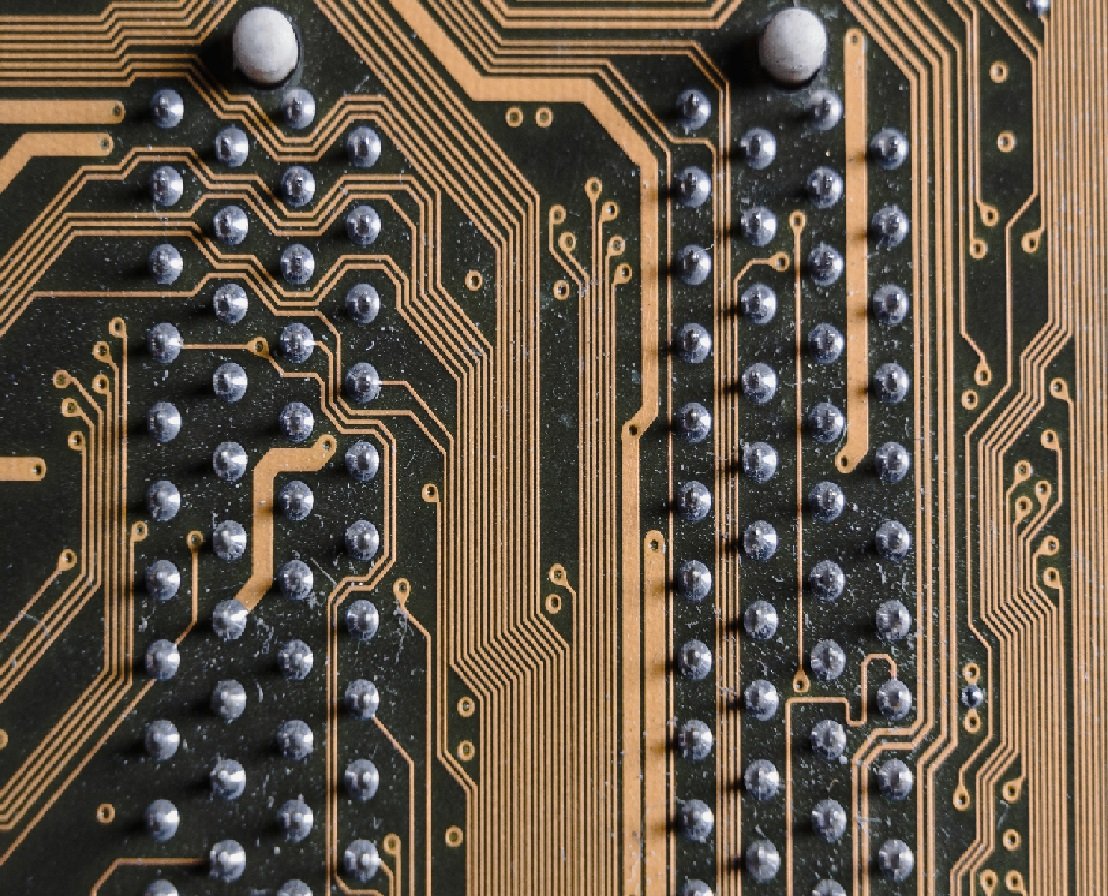
Introduction: In the fast-paced world of technology, laptops have become an essential part of our daily lives. From work to entertainment, these portable devices have revolutionized the way we function. However, the behind-the-scenes efforts that go into manufacturing these sleek machines involve several intricate processes, and soldering is a crucial technique that plays a significant role. In this article, we will delve into the world of soldering techniques and the importance they hold in laptop production. 1. What is soldering? Soldering is a technique used to join two or more metal components together using a filler metal called solder. It creates a strong and reliable electrical connection that ensures the smooth functioning of various laptop components. Soldering is employed in the creation of printed circuit boards (PCBs), where delicate electrical components are mounted. 2. Surface Mount Technology (SMT) soldering: Surface Mount Technology (SMT) is one of the primary soldering techniques utilized in laptop manufacturing. SMT involves attaching components directly to the surface of the PCB. Unlike through-hole technology, SMT allows for smaller components, fewer drilled holes, and ultimately, more compact and lightweight laptops. This technique relies on solder paste, which is a mixture of solder and flux, to create connections between the electrical components and the PCB. 3. Re-flow Soldering: Re-flow soldering is the process of melting and solidifying solder to form secure connections on PCBs. This technique involves applying heat to the solder paste, either through an oven or using specialized equipment, to melt the solder and create electrical connections. Re-flow soldering ensures consistent and reliable connections throughout the entire laptop production process. 4. Wave Soldering: Wave soldering is another technique commonly used in laptop production, especially for through-hole components. This technique involves passing the PCB over a wave of molten solder to create connections. The heated wave of solder ensures a strong bond between the components and the PCB, providing reliability and longevity to the laptop. 5. Importance of soldering techniques in laptop production: Soldering techniques are critical in laptop production due to the following key reasons: a) Reliability: Soldered connections provide a reliable electrical pathway for the components in a laptop. The secure bond between components and the PCB prevents loose connections or intermittent signals that could lead to malfunctions or failures. b) Compact design: The use of advanced soldering techniques, such as SMT, enables the production of smaller, more streamlined components. This allows laptops to become slimmer, lightweight, and easier to carry without compromising functionality. c) Durability: Soldered connections are known for their durability and resilience. Laptops are subject to various environmental factors such as temperature fluctuations, vibrations, and physical handling. Soldering ensures that the internal components remain firmly connected, even in challenging conditions. d) Efficient production: The implementation of soldering techniques in laptop assembly facilitates automated production processes, improving efficiency and reducing labor costs. Soldering machines can quickly and accurately complete intricate connections, ensuring high-quality laptop production at a faster pace. Conclusion: Soldering techniques play a vital role in the production of laptops, ensuring reliable, compact, and durable devices that meet the demands of today's tech-savvy users. From SMT to re-flow and wave soldering, these techniques enable the creation of intricate connections that power laptops' performance. As technology continues to advance, so will soldering techniques, supporting the evolution of sleeker, faster, and more sophisticated laptops that shape our digital world. Want to learn more? Start with: http://www.wootalyzer.com


