Advances in Medicine: Exploring Electronic Components for PCBs
Category : |
Sub Category : Posted on 2023-10-30 21:24:53
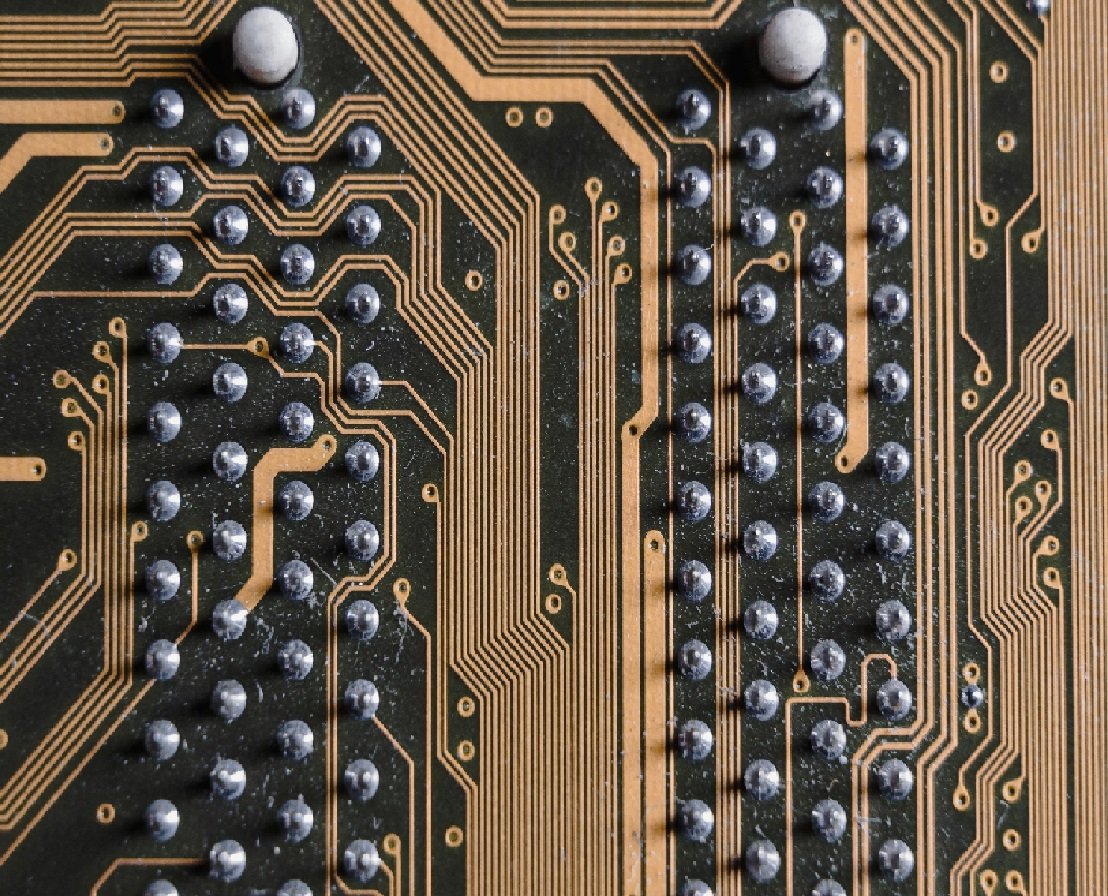
Introduction: In the ever-evolving field of medicine, technology plays a crucial role in enabling doctors and healthcare professionals to provide efficient and accurate diagnoses and treatments. Electronic components integrated onto Printed Circuit Boards (PCBs) have become integral to the development of advanced medical devices. From diagnostic tools to wearable devices, medical electronics are revolutionizing patient care and pushing the boundaries of modern medicine. In this article, we will explore the different electronic components used in medical PCBs and their significant contributions to the healthcare industry. 1. Microcontrollers and Microprocessors: Microcontrollers and microprocessors serve as the brains of medical electronics, providing processing power and control. These components are commonly found in medical devices such as patient monitors, electrocardiograms (ECGs), and smart infusion pumps. They enable real-time data collection, analysis, and decision-making, improving patient monitoring and treatment accuracy. Microcontrollers also play a critical role in the development of implantable medical devices, such as pacemakers and neurostimulators, ensuring precise and reliable functionality. 2. Sensors: Sensors are crucial components in medical electronics, as they provide valuable data for diagnosis, monitoring, and treatment. Various types of sensors, such as temperature sensors, pressure sensors, and biosensors, are integrated into medical PCBs to measure vital signs, detect abnormalities, and monitor bodily functions. These sensors enable the development of wearable devices like fitness trackers and smartwatches, which can measure activities, heart rate, sleep patterns, and even glucose levels in real-time. 3. Communication Modules: Communication modules, such as Bluetooth, Wi-Fi, and cellular connectivity, have transformed the way medical data is collected, shared, and analyzed. These modules allow medical devices to transmit real-time patient data to healthcare providers, facilitating remote monitoring, telehealth consultations, and data-driven decision-making. Communication modules also play a vital role in the development of IoT (Internet of Things) healthcare systems, enhancing patient care and reducing healthcare costs. 4. Power Management: Medical electronics require efficient and reliable power management to ensure continuous operation and safety. Power management components, such as voltage regulators and battery management systems, help regulate power supply, protect against voltage spikes, and optimize energy consumption. These components are essential for portable medical devices, wearable devices, and implantable medical devices, allowing patients to monitor their health constantly without interruption. 5. Memory and Storage: Memory and storage components are vital for storing patient data, medical records, and device settings in medical electronics. They enable quick access to information and facilitate the seamless transmission of data for analysis. Non-volatile memory chips and Solid-State Drives (SSDs) are commonly used in medical PCBs, ensuring secure storage and fast retrieval of critical medical information. Conclusion: Electronic components have revolutionized the medical field, making healthcare more efficient, accurate, and accessible. From microcontrollers and sensors to communication modules, power management components, and memory/storage solutions, medical PCBs incorporate a wide range of electronic components that are at the forefront of medical advancements. Technology-driven medical devices are transforming patient care, enabling remote monitoring, better diagnosis, and personalized treatment plans. As technology continues to advance, we can expect further innovations in medical electronics, ultimately improving the quality of healthcare for patients worldwide. To see the full details, click on: http://www.doctorregister.com For the latest research, visit http://www.tinyfed.com For a broader perspective, don't miss http://www.natclar.com


