Beware of Scam Electronics Components for PCB: Protecting Yourself from Counterfeit Products
Category : |
Sub Category : Posted on 2023-10-30 21:24:53
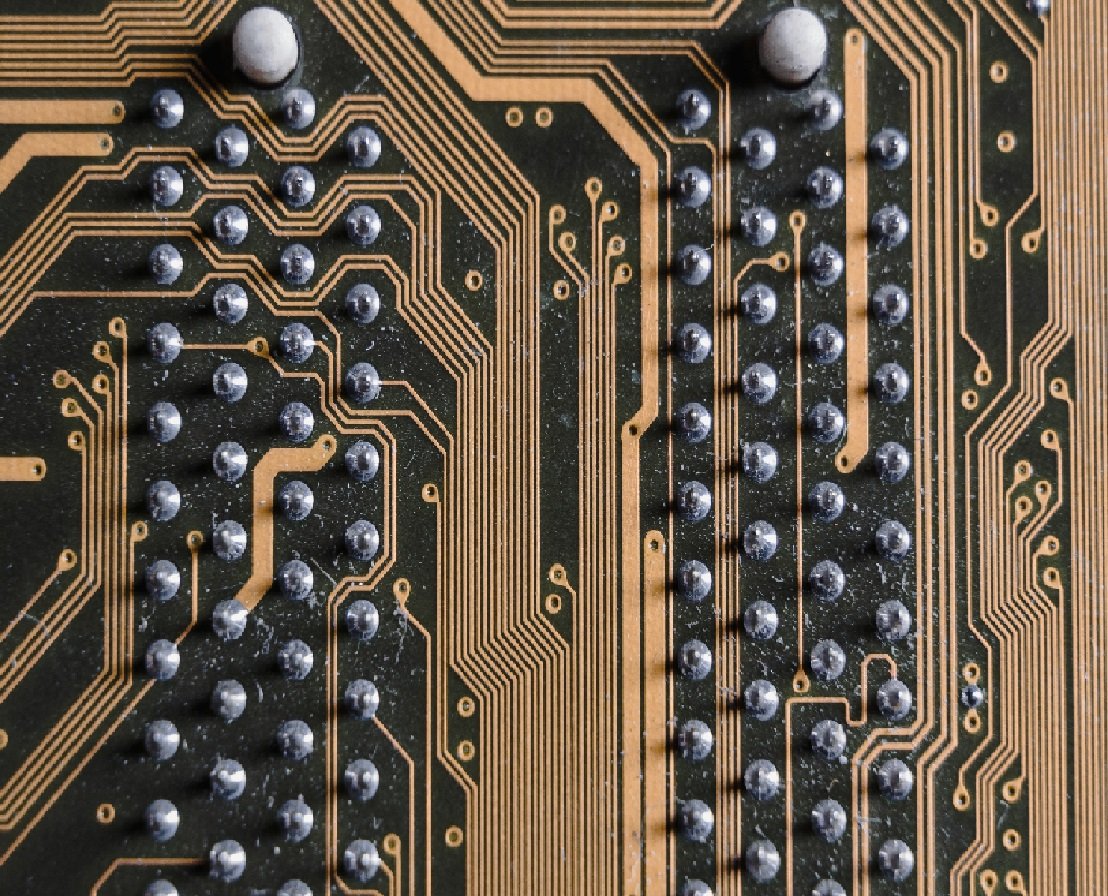
Introduction: The electronics industry has experienced rapid growth in recent years. With the rise of printed circuit board (PCB) manufacturing and electronic devices becoming more common, the demand for quality electronic components has increased as well. However, not all suppliers can be trusted, as there are numerous cases of scam electronics components flooding the market. In this article, we will highlight the dangers of purchasing counterfeit components for your PCB, how to identify them, and provide tips on how to protect yourself from falling victim to these scams. 1. What are scam electronics components? Scam electronics components refer to counterfeit or fake electronic parts that are deceptively sold as original, high-quality components. These components are usually of subpar quality, unreliable, and can cause serious damage to your PCBs and devices. They often enter the market through unauthorized distributors or unregulated online platforms, making it difficult to track their origin or authenticity. 2. The dangers of using counterfeit components: Using scam electronics components can have serious consequences: a) Poor performance: Counterfeit parts are often produced using cheaper materials and inferior manufacturing processes, resulting in poor performance compared to genuine components. This can lead to unexpected failures, system malfunctions, and compromised functionality. b) Increased risk of fire and safety hazards: Counterfeit components may not meet safety standards or have undergone proper testing. Faulty electronics can cause overheating, short circuits, and, in the worst-case scenario, fires or explosions. c) Compromised reliability and lifespan: The use of counterfeit parts can significantly impact product reliability and lifespan. These components are not built to last, and failure rates can be much higher than genuine components. This can lead to costly repairs, replacements, and damage to the reputation of manufacturers or developers. 3. How to identify scam electronics components: Thankfully, there are a few ways to identify counterfeit components before making a purchase: a) Trusted suppliers: Always source components from trusted, authorized distributors or manufacturers. Check their certifications, reputations, and customer reviews to ensure you are dealing with a legitimate and trustworthy seller. b) Spotting visual clues: Counterfeit components may have sloppy or inconsistent markings, incorrect or misspelled logos, or altered packaging. Carefully inspect the product for any signs of tampering or discrepancies from what genuine components should look like. c) Conducting thorough tests: It is crucial to conduct proper functionality and performance tests on new components. Be wary if the performance or behavior of a component deviates significantly from the manufacturer's specifications. 4. Protecting yourself from scams: To avoid falling victim to scam electronics components, follow these essential tips: a) Research and due diligence: Before making a purchase, thoroughly research the seller or distributor. Check their credentials, certifications, track record, and customer feedback. Look for any negative experiences or reports of counterfeit products associated with them. b) Verify the components: Cross-reference the component's specifications, markings, and serial numbers with the manufacturer's information. Reach out to the manufacturer directly if you have any doubts or suspicions. c) Purchase from reputable sources: Stick to authorized distributors, established manufacturers, or renowned suppliers. These sources are more likely to have rigorous quality control processes in place, reducing the chances of counterfeit parts entering the supply chain. d) Report suspicious activity: If you come across counterfeit components, report the incident to the appropriate authorities and notify the manufacturer. By taking action, you can prevent others from falling victim to scams and contribute to eradicating counterfeit products from the market. Conclusion: The growing popularity of PCBs and electronic devices has unfortunately attracted unscrupulous individuals and organizations looking to profit from unsuspecting buyers. By being aware of the dangers of counterfeit electronic components and arming yourself with knowledge on how to identify them, you can protect yourself and your projects from the risks associated with counterfeit electronics. Always verify the authenticity of components, purchase from reputable sources, and report any suspicious activity to help safeguard the electronics industry and ensure the quality and reliability of your PCBs. Explore this subject further by checking out http://www.semifake.com


