Mastering the Art of SMS Soldering Techniques
Category : |
Sub Category : Posted on 2023-10-30 21:24:53
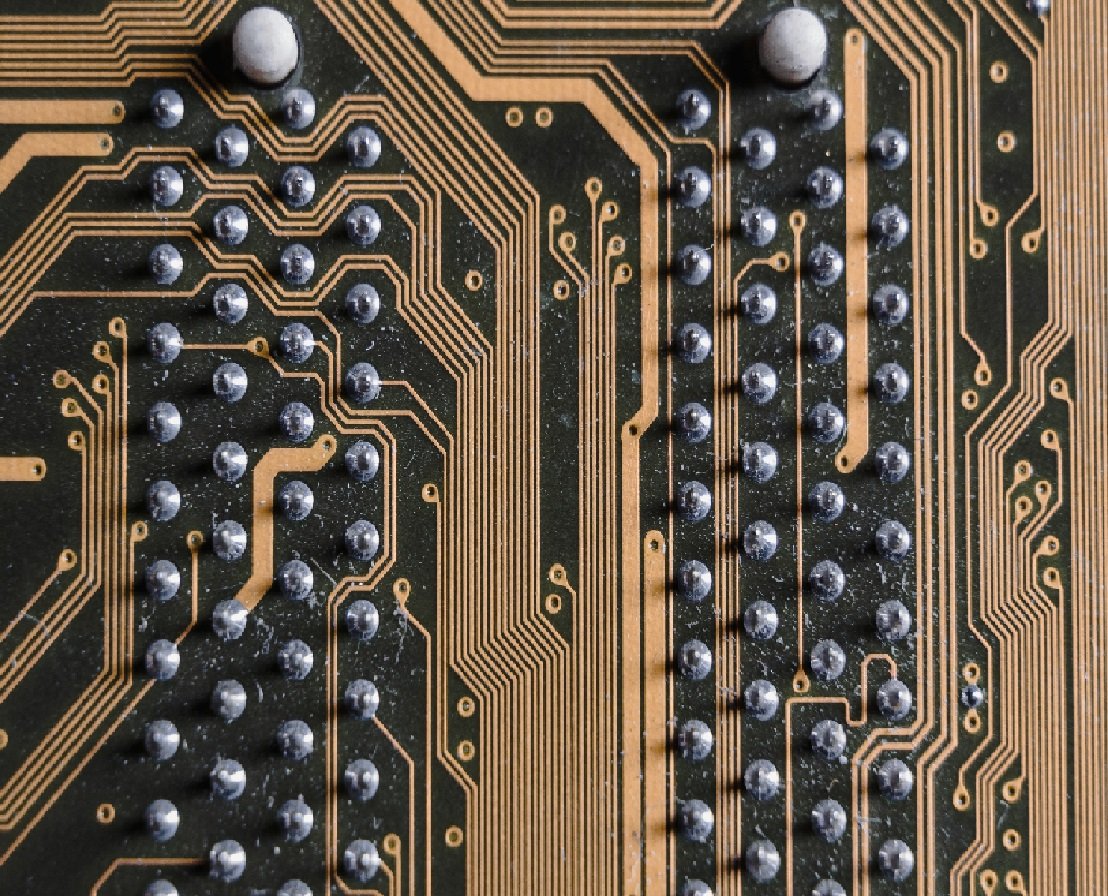
Introduction: Soldering is a fundamental skill in electronics manufacturing and repair. It involves joining components together by melting solder, a metal alloy, and creating a strong electrical and mechanical bond. In recent years, Surface Mount Technology (SMT) has gained immense popularity due to its smaller size, higher density, and efficient manufacturing process. In this blog post, we will delve into the world of SMS soldering techniques and discuss the best practices to achieve optimal solder joints. 1. Understanding SMS Soldering: Surface mount soldering is performed on small components that are directly mounted onto the surface of a printed circuit board (PCB). Unlike traditional through-hole components, which have leads inserted into holes on the PCB, surface mount components have tiny metal pads that are soldered to the PCB traces. 2. Preparation and Equipment: a. Cleanliness: Ensure that your work area, including the PCB and components, is clean and free from dust, debris, and moisture. Use isopropyl alcohol and a lint-free cloth to clean the surface before soldering. b. Soldering Iron: Choose a soldering iron with temperature control and a fine tip. Ideally, a temperature-controlled iron with a small chisel or conical tip is recommended for SMS soldering. c. Solder: Use a high-quality solder with a proper flux core. Most commonly, lead-free solder is used for SMS soldering, as it complies with environmental regulations. 3. Soldering Techniques: a. The Drag Method: This technique involves placing a small amount of solder on the tip of the iron and carefully dragging it across the component lead or pad. The heat from the iron melts the solder, creating a smooth and clean joint. b. The Hand Soldering Method: This technique is useful for specific components that require individual attention, such as fine-pitch ICs or connectors. It involves manually placing a small amount of solder on the component lead or pad and then using the iron to melt the solder and create a bond. c. Hot Air Rework: This technique is employed when reworking or repairing surface mount components. It involves using a hot air rework station to heat the entire component evenly, allowing for removal or replacement. 4. Soldering Considerations: a. Temperature Control: Maintaining a consistent and appropriate soldering temperature is crucial to prevent damage to the components and the PCB. Excessive heat can cause solder bridges or lift the pads, while insufficient heat leads to poor bonding. b. Flux Application: Flux helps remove oxidation, enhances wetting, and improves solder flow. Apply flux to the joint just before soldering, ensuring minimal and precise application. c. Solder Joint Inspection: After soldering, visually inspect the joints for any imperfections, such as cold joints, solder bridges, or insufficient solder. Use magnification if needed to ensure high-quality solder joints. Conclusion: Mastering SMS soldering techniques is vital for successful electronics manufacturing and repair. By following the right preparation steps, using the appropriate equipment, and employing the correct soldering techniques, you can achieve reliable and durable surface mount solder joints. Remember to practice and refine your skills continually to become proficient in this essential aspect of modern electronics. To learn more, take a look at: http://www.smsgal.com


