A Comprehensive Survey of Printed Circuit Boards: Understanding the Backbone of Modern Electronics
Category : |
Sub Category : Posted on 2023-10-30 21:24:53
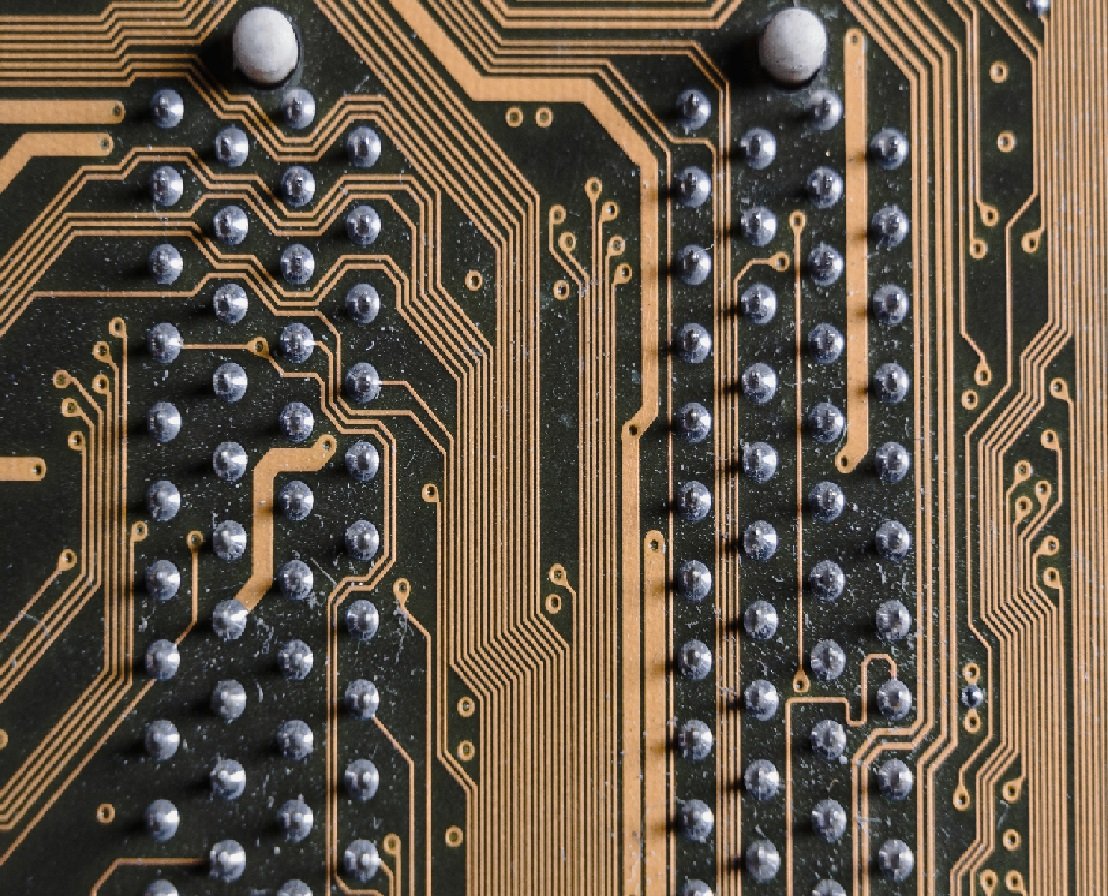
Introduction: Printed Circuit Boards (PCBs) are the unsung heroes of modern electronic devices. They are the backbone that enables the smooth functioning of our smartphones, laptops, appliances, and countless other gadgets we rely on daily. In this blog post, we will embark on a comprehensive survey of PCBs, exploring their history, construction, types, and applications. So, let's dive in and unravel the world of printed circuit boards! 1. The Origins of PCBs: Before delving into the intricacies of PCBs, it's essential to understand their origins. PCBs emerged as an alternative to traditional wire-based connections in the mid-20th century. Originally developed for military and aerospace applications, they quickly became the standard choice for electronic devices across industries. 2. Understanding PCB Construction: PCBs are composed of a substrate material that serves as the foundation. Typically, the substrate is made of fiberglass-reinforced epoxy resin, but other materials like phenolic resin and polyimide are also used. The substrate is layered with a thin copper foil, forming conductive traces and creating the necessary connections for electrical signals to pass through the board. 3. Types of PCBs: a. Single-sided PCBs: As the simplest and most cost-effective type, single-sided PCBs have conductive traces on one side and are ideal for less complex applications. b. Double-sided PCBs: With conductive traces on both sides, double-sided PCBs provide more room for components and are widely used in consumer electronics. c. Multilayer PCBs: These PCBs have multiple layers of copper and insulating material, allowing for complex circuitry and higher component density, making them ideal for intricate electronics like computers and advanced medical equipment. 4. PCB Assembly and Manufacturing: The process of PCB assembly involves several crucial steps, including designing the layout, fabricating the board using specialized manufacturing equipment, soldering components onto the board, and testing for functionality. Automated processes, such as surface mount technology (SMT), have revolutionized PCB production, ensuring speed and precision. 5. Applications of PCBs: PCBs have become omnipresent due to their versatility and reliability. They are a fundamental component in industries such as telecommunications, automotive, healthcare, aerospace, and many more. From control systems in cars and airplanes to medical monitoring devices and consumer electronics, PCBs power our modern world. 6. Advancements and Future Trends: As technology advances, so do PCBs. Miniaturization, flexible PCBs, and the integration of advanced features like wireless connectivity and embedded sensors have become prominent trends. Additionally, the quest for eco-friendly materials and manufacturing techniques has led to the development of greener PCB solutions. Conclusion: Printed Circuit Boards are the unsung heroes that enable the electronic devices we depend on every day. As we've explored in this comprehensive survey, their construction, types, and applications showcase the significance of PCBs in powering our modern technology-driven world. From their humble origins to their countless future possibilities, PCBs will continue to evolve and shape the future of electronics. You can also Have a visit at http://www.surveyoption.com Expand your knowledge by perusing http://www.surveyoutput.com


