Exploring the Pros and Cons of Through-Hole Technology in Electronics
Category : |
Sub Category : Posted on 2023-10-30 21:24:53
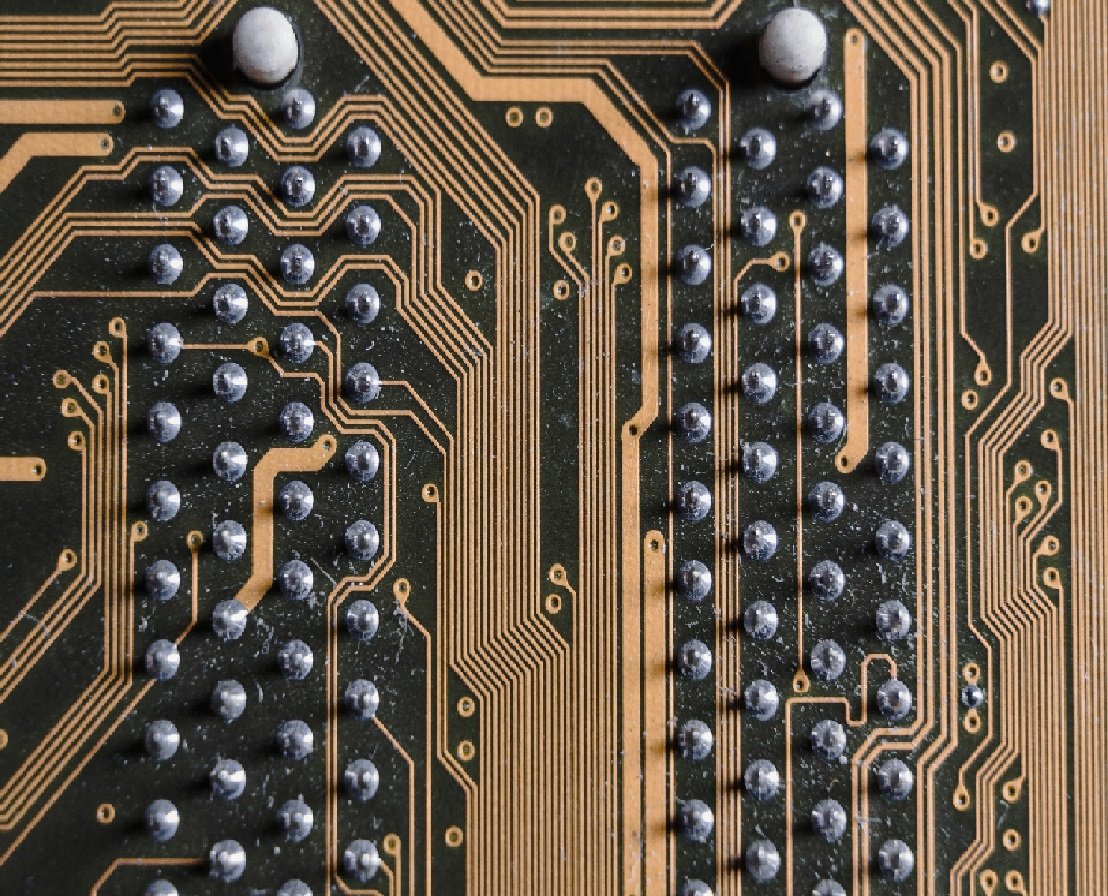
Introduction: In the ever-evolving world of electronics, manufacturers and engineers face the continuous challenge of choosing the most appropriate manufacturing techniques. One popular method that has stood the test of time is through-hole technology. In this blog post, we will dive deep into through-hole technology, exploring its advantages and disadvantages in electronics manufacturing. What is Through-Hole Technology? Through-hole technology (THT) is a method of mounting electronic components onto a printed circuit board (PCB) by inserting their leads through pre-drilled holes and then soldering them onto copper pads on the opposite side of the board. This traditional technique has long been the go-to choice for many applications, ensuring reliable connections and mechanical stability. Advantages of Through-Hole Technology: 1. Durability and Reliability: Through-hole components create strong, mechanically stable connections. The soldered joints provide excellent resistance against mechanical stress like vibrations and impacts, making them suitable for rugged applications. 2. Easier Troubleshooting and Repair: The larger size of through-hole components allows for easy visual inspection and manual repair. In case of any component failure, they can be easily desoldered and replaced, reducing downtime. 3. Higher Power Handling: Through-hole technology allows for better heat dissipation, enabling higher power handling capabilities. This makes it ideal for applications involving high currents or power electronics, where thermal management is critical. 4. Enhanced Signal Integrity: Through-hole components, especially for high-frequency circuits, offer reduced parasitic capacitance and inductance compared to surface mount technology (SMT). This characteristic can enhance signal integrity and minimize the impact of noise in sensitive applications. Disadvantages of Through-Hole Technology: 1. Increased Manufacturing Costs: Compared to surface mount technology, through-hole technology demands more labor-intensive manufacturing processes. The drilling of holes and manual insertion of components can increase production costs and time. 2. Limited Component Availability: As electronics manufacturing trends lean towards surface mount technology, the availability of through-hole components has decreased over time. Manufacturers may face challenges in sourcing through-hole components, especially for newer and miniaturized components. 3. Design Constraints: Through-hole technology imposes specific design constraints due to the required drilling and component spacing. This limits the PCB designer's flexibility when it comes to component placement and overall board size. 4. Reduced Frequency Capabilities: Through-hole components generally have longer leads, leading to increased parasitic values, higher impedance, and reduced high-frequency performance. This limitation may restrict their application in modern high-speed digital circuits. Conclusion: Through-hole technology has a long-standing presence in electronics manufacturing, and despite the growing dominance of surface mount technology, it still finds its place in various applications. Understanding the advantages and disadvantages of through-hole technology allows manufacturers and engineers to make informed decisions when choosing the appropriate manufacturing technique for their specific needs. Whether it's durability, repairability, or high power handling, through-hole technology continues to offer unique benefits in electronic assembly. For an extensive perspective, read http://www.surveyoption.com For a broader exploration, take a look at http://www.surveyoutput.com


