The Importance of Data Hashing in Electronics Design and Embedded Systems
Category : |
Sub Category : Posted on 2024-09-07 22:25:23
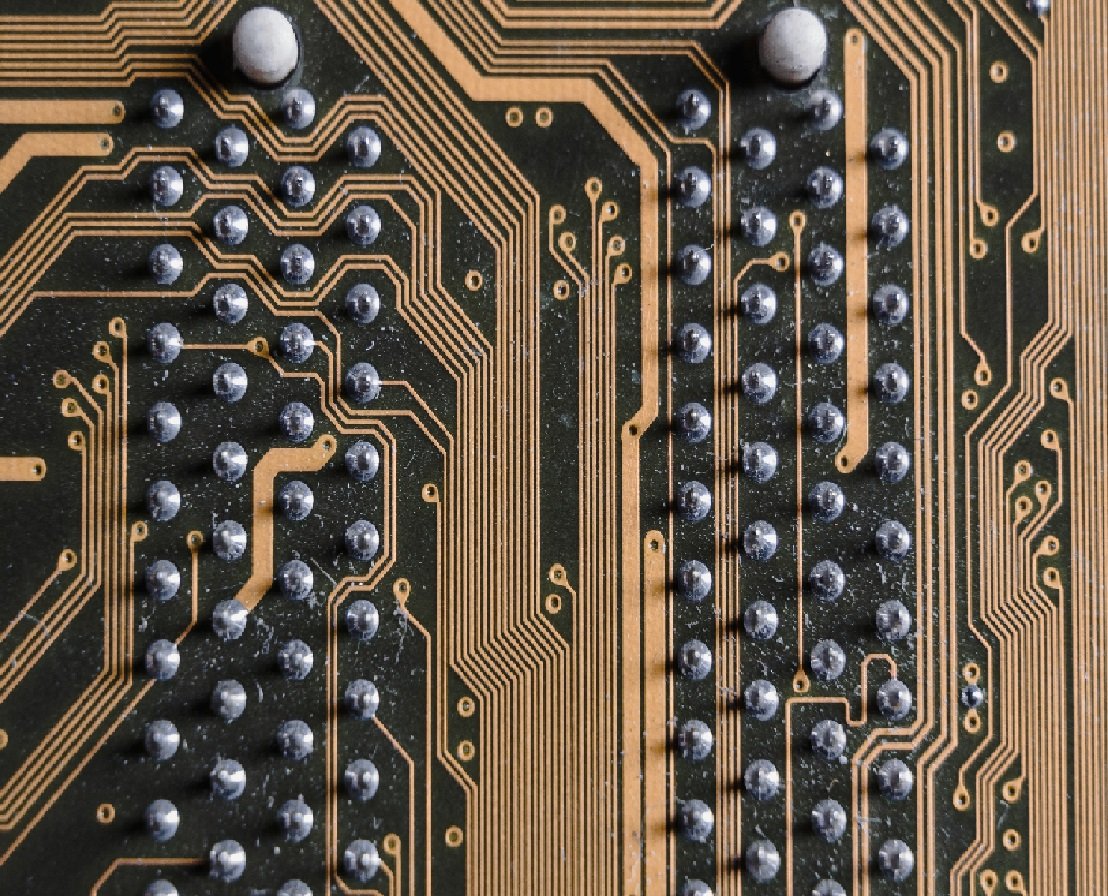
In the realm of technical communication, the intricacies of electronics design and embedded systems play a crucial role in shaping the modern world. One of the key components in ensuring the security and integrity of data within these systems is data hashing. This cryptographic technique is essential for verifying the authenticity of information and protecting it from unauthorized access or tampering. Data hashing is a process that involves taking input data of any size and generating a fixed-size string of characters, known as a hash value or hash code. This hash value is unique to the input data, meaning that even a small change in the original data will result in a significantly different hash value. This property is what makes data hashing a powerful tool for ensuring data integrity and security. In electronics design and embedded systems, data hashing is utilized in a variety of applications. One common use case is in verifying the integrity of firmware and software updates. By calculating the hash value of the update file before installation and comparing it to a precomputed hash value, the system can ensure that the update has not been tampered with during transmission or storage. Data hashing is also crucial for password storage and authentication in embedded systems. Instead of storing passwords in plain text, which poses a significant security risk, systems can store hashed versions of passwords. When a user logs in, the system hashes the entered password and compares it to the stored hash value. If the two values match, the user is granted access. Moreover, data hashing plays a vital role in data transmission and communication within embedded systems. By hashing data before transmission and verifying the hash value on the receiving end, systems can detect any alterations or corruption that may have occurred during transit. In conclusion, data hashing is a fundamental aspect of electronics design and embedded systems, serving as a cornerstone for ensuring data integrity, security, and authenticity. As technology continues to advance and cyber threats evolve, the importance of data hashing will only continue to grow, making it an indispensable tool for safeguarding sensitive information in the digital age.


